|     |
|
| |

 Pune International Dance Festival - A pioneering project- Shyamhari Chakrae-mail: shyamhari@yahoo.com Photos courtesy: Rasika Gumaste, Convener, PIDF March 7, 2026 Eight years ago, four dancers of Pune who love to introduce themselves as Nritya Sakhis (dancer-friends) - Bharatanatyam dancer Rasika Gumaste, Odissi dancer Shama Patni Adhikary and Kathak dancers Neha Muthiyan and Asmita Thakur - came together to launch a dance festival with a difference. They had four major objectives behind the unique initiative: to celebrate dance sans the division of classical, folk, tribal or contemporary; to create a platform for the innumerable aspiring and struggling dancers to perform through a selection process solely based on their merit; to counter the pay-and-perform syndrome that is rapidly plaguing Indian dance scene and most importantly to make the differently-abled dancers an integral part of the festival. Thus was born the annual Pune International Dance Festival (PIDF) - previously known as India International Dance Festival, (IIDF Pune) - that has created a niche for itself in the city's annual cultural calender. "We were fortunate to receive generous support of two major institutions of Pune - Bharatiya Vidya Bhavan and Infosys Foundation - under their cultural outreach initiative since the festival was launched", acknowledged the festival's founder-convener Rasika Gumaste. 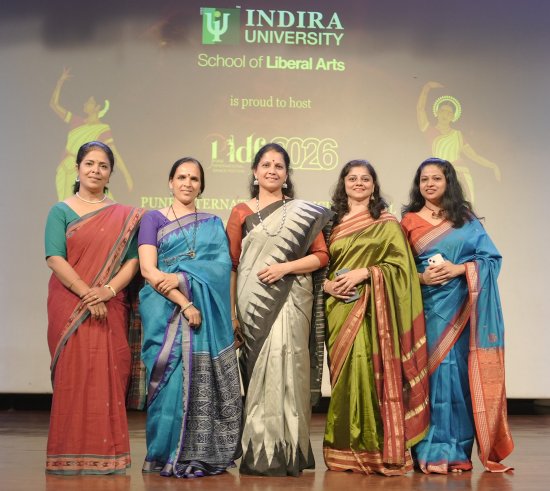 Nritya Sakhis Two years ago, PIDF added a new feather to its cap by adding a Chapter for Pimpri Chinchwada Municipal Corporation (known as PCMC), a satellite city closer to Pune, after two more Nritya Sakhis joined the PIDF team. They were Bharatanatyam dancer Suvarna Bag and Odissi dancer Varada Vaishampayan from PCMC region who could rope in Indira University of PCMC as the patron-collaborator of PIDF's PCMC Chapter. The University is known for having a School of Liberal Arts. Spread over two days and staged at two different venues featuring nearly 200 dancers - Indira University auditorium in PCMC and Bharatiya Vidya Bhavan auditorium in Pune - the recently hosted latest edition of PIDF featured Kathak, Bharatanatyam, Odissi, Sattriya, Mohiniattam and Kuchipudi alongside a variety of folk dances of Maharashtra, Rajasthan, Gujarat and Goa. Shining Soloists 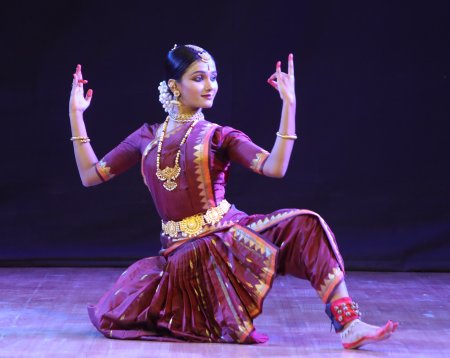 Lisandra Konch 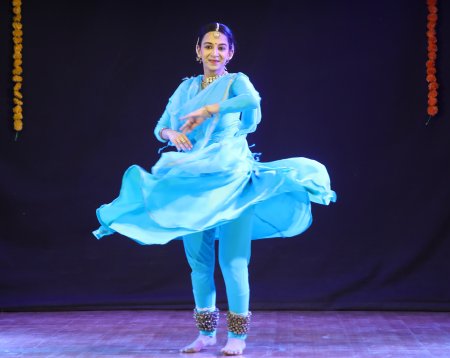 Vrindana Moharir Solo dancing is the soul of Indian classical dances. However, with the growing demand for group presentations, there has been an alarming trend of shrinking scope for the soloists in performance space. Against this depressing backdrop, PIDF wisely presented 21 young solo performers. Though most of them were neat dancers, those who impressed with their individual signatures as promising and potential soloists included Bharatanatyam dancers Lisandra Konch from Kolkata and Neha Apte from Pune; Odissi dancers Pujayita Bhattacharya from Agartala, Tripura and Priya Bangal from USA; Kathak dancer Vrindana Moharir from Pune and Kuchipudi dancer Shivani Avadhani from Bengaluru. Distinct Duets 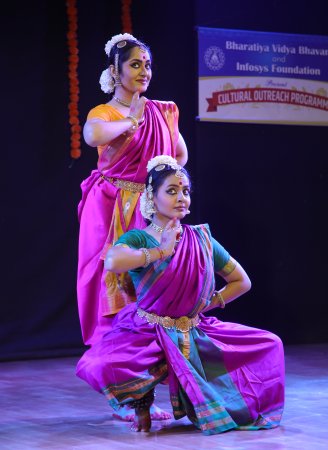 Riddhi Potdar and Niyati Misal Mere multiplication of dancers and exhibition of identical movements on stage does not yield the desired effect of a duet unless both the partners perform with perfect synergy and interfacing and the choreography allows them the scope to complement each other. And Bharatanatyam dancers Riddhi Potdar and Niyati Misal from Pune excelled in every aspect of their distinct and outstanding duet presentation of Vande Bharatam. The other impressive duet presentations were by Kathak dancers Jui Saptarshi-Sanika Dabhekar and Siya-Vaishnavi from Pune and Odissi dancer duos Dipali Tikam-Siddharth Rane from Mumbai and Varada Vaishampayan-Yogita Bhasin from Pune. Amazing Abhang 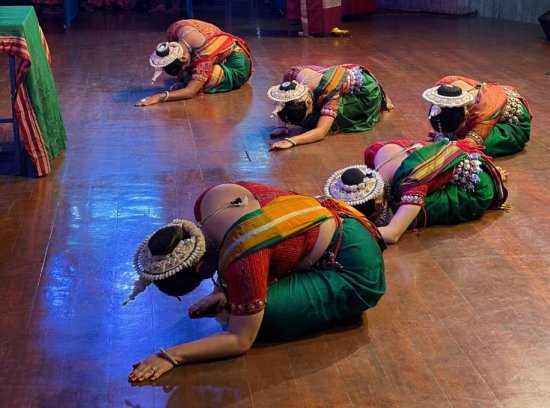 Abhanga in Odissi The festival offered a unique opportunity to experience the amazing impact of Abhang tradition on Pune's dance culture. A highly popular form of devotional poetry and music in Marathi dedicated to the Hindu deity Vitthal of Pandharpur near Pune, it has influenced and enriched the repertoire of Kathak, Bharatanatyam and Odissi dance traditions of Pune. The group presentation of an Abhang by Pune's Akanksha Odissi Nrityalaya - a Sant Dnyaneswar composition choreographed by ensemble director Rasika Gumaste - deserves a special mention for its brilliant choreography and aesthetic presentation that has been a classic example of innovation within the tradition. The other impressive presentation based on Abanga was by Asmita Thakur's Kalanubhuti Centre of Kathak from Pune that received repeated rounds of applause from the audience. Two other group presentations stood out for their perfect synchronisation and formation of geometrical patterns - Bharatanatyam by Suvarna Bag's Kalasadhana Dance Academy from PCMC and Neha Muthiyan's Kathak Pathshala ensemble from Pune. Fabulous Folk In line with its unique objective of celebrating dance without any division or discrimination, PIDF showcased five vibrant folk dance forms of India along with the seven Indian classical dance traditions. 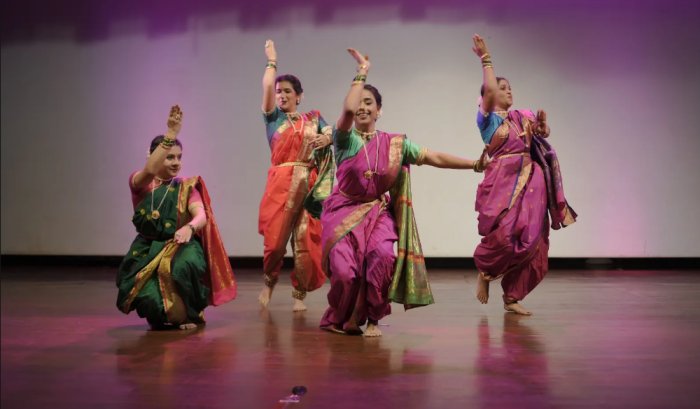 Lavani Lavani, Maharashtra's most popular and globally known folk dance tradition known for its energetic, rhythmic, and sensuous movements performed by women wearing the typical nine-yard sarees, was presented by Vedanti Bhagawat's Laya troupe. Gujarat's Garba - the devotional folk dance tradition that has been recently recognised by the UNESCO as world's intangible cultural heritage and is usually performed during the nine-night Navaratri festival, was staged by Kapol Ladies Group led by Nidhi Mehta. Powada, another folk arts form of Maharashtra that combines singing, storytelling, dance and performed in ballad format to glorify the bravery of historical heroes - Chhatrapati Shivaji in particular - was presented with Ahalya Bai, the valiant and visionary queen of the Maratha Empire, as the central character. 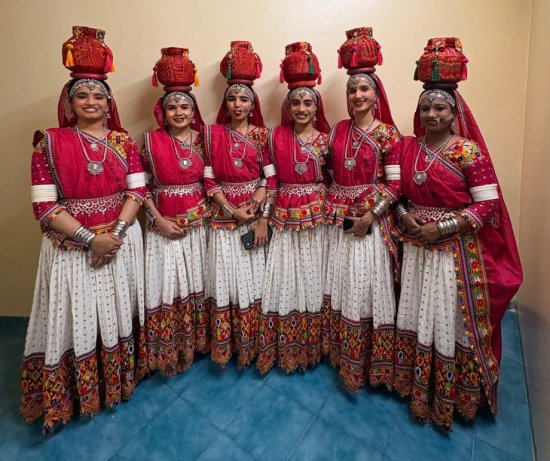 Nrutya Sharada ensemble Rajasthan's vibrant and enchanting folk dance of Ghoomar, performed by the veiled Bhil tribal women wearing the flowing costume of ghaghara and often with pots on heads while executing whirling movements, has a captivating presentation by the well-groomed young girls of Nrutya Sharada ensemble. The festival offered the rare opportunity to get introduced to the lesser-known Kupari folk dance of Konkan region that borders Goa and Maharashtra. Named after an instrument which was brought by the Portuguese to India, it was a wedding song with lyrics in Konkani and Marathi languages. Sattriya-saplings nurtured in Pune Despite dominance and popularity of Kathak and Bharatanatyam over Pune's dance scene since decades, the dancers' community and connoisseurs of the city have embraced and nurtured other Indian classical dance forms like Odisha's Odissi or Kerala's Mohiniattam. Assam's Sattriya has received a red carpet welcome in recent times - thanks to the efforts of Assam's senior Sattriya artiste and guru Devika Borthakur who heads the department of dance at School of Performing Arts of Bharati Vidyapeeth University. In a first of its kind, she has succeeded in initiating several Marathi girls of the city into Sattriya. And PIDF prominently projected the guru and her disciples in the festival in a move to popularise Sattriya across Pune. Growing with PIDF - The differently-abled dancers "Gayatri is growing with IIDF for the past five years", shared her trainer and mental health expert Kalyani Kane while introducing the mentally challenged Bharatanatyam dancer whose abinaya number Kaikeyi and Tillana moved hearts. Kalyani's statement summed up PIDF's commitment to discover, nurture and highlight the differently abled dancers. Each edition of PIDF earmarks a special session for the differently abled dancers that is meticulously planned involving the parents and other family members of such dancers, their trainers, mental health experts, social welfare organisations working with such dancers, media persons and the city's dancers community in order to sensitize all the stakeholders. Performances apart, the festival this year featured two such special sessions titled "Dance and Mental Health" at both the venues inviting three experts - Hrishikesh Pawar, Kalyani Kane and Taanvi Hegde. Their well-articulated presentations received rave response from the audience. 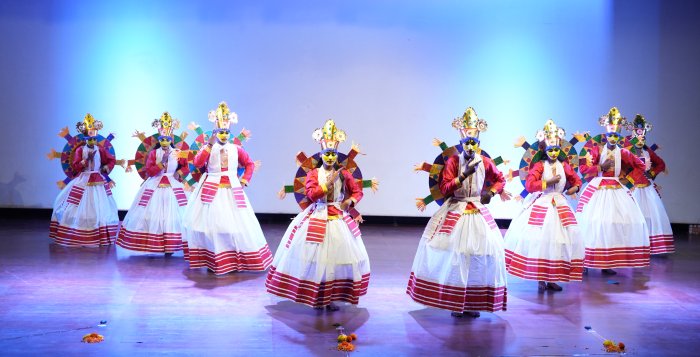 Bal Kalyan Sanstha Among all the performances by the differently abled, Bal Kalyan Sanstha's eight member troupe from Pune got a standing ovation. Their presentation - Vishnu Vandana - was brilliantly adapted to the style of Kathakali by young Kathak dancer Abha Datte who also trained the troupe. Exemplary hosts For this observer, two aspects of the festival were quite unique and touching. Unlike many other dance festivals where people having little idea, appreciation and concern for dance are being invited on stage as guests apparently to gain their patronage, PIDF's guests were the true connoisseurs and patrons of dance who watched the dancers, spoke on dance and the dancers and shared their valuable views. It included Bharatiya Vidya Bhavan director Nandkumar Kakirde, noted media personality and arts critic Shumita Mahajan, Head of Pune University's Department of Performing Arts Shubhangi Bahulikar, Kathak exponent and scholar Amala Shekhar, Prerana Foundation founder, Kathak dancer and dance festival curator Jyoti Mansukhani, educationist Rajeev Tambe, Kathak guru Leena Ketkar and Dr.Tarita Shankar and Dr. Ashutosh Misal from Indira University's School of Liberal Arts. The other remarkable decision by the hosts has been to abstain from performing in the festival despite being its creators and curators and established dancers themselves.  A former journalist and arts critic with Indian Express and The Hindu for over 20 years, Shyamhari Chakra is a New Delhi based independent writer on cultural affairs. |
