
|     |
|
| |

 Festival of New Choreographies - KalaYatra 2026Photos courtesy: CICDMarch 5, 2026 As the final curtain came down at Kamani Auditorium, the Festival of New Choreographies - KalaYatra 2026, curated and conceptualized by Dr Sonal Mansingh, concluded as one of the most significant cultural milestones witnessed by the national capital in recent decades. Jointly presented by the Department of Art, Culture & Language, Government of NCT of Delhi, Centre for Indian Classical Dances and Dr. Sonal Mansingh, the five-day festival, held on January 13th,14th,15th, 28th and 29th, emerged as a rare and powerful confluence of governance, Guruship and creative vision - placing Delhi firmly at the centre of India's contemporary classical arts movement. 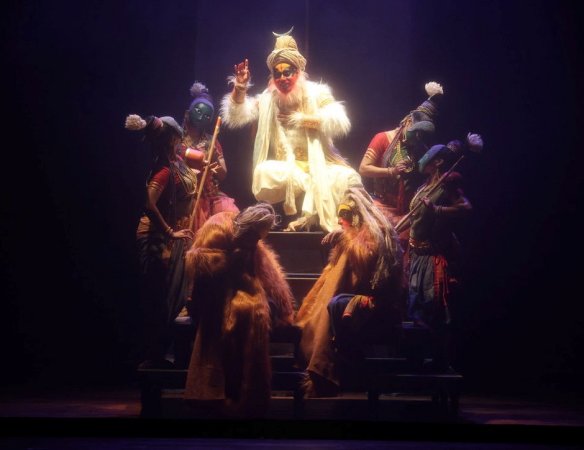 Saugandhikaharanam The concluding evening on 29th January brought together two compelling choreographic works that reflected both the civilisational depth and inclusive spirit of the festival. Saugandhikaharanam presented by Chidakash Kalalay Centre, Kolkata, and directed by Piyal Bhattacharya, explored a lesser-known Mahabharata episode where brute strength yields to wisdom. Rendered in the Marga Natya tradition, the production traced Bheema's transformative encounter with Lord Hanuman, highlighting themes of humility, dharma and inner awakening. 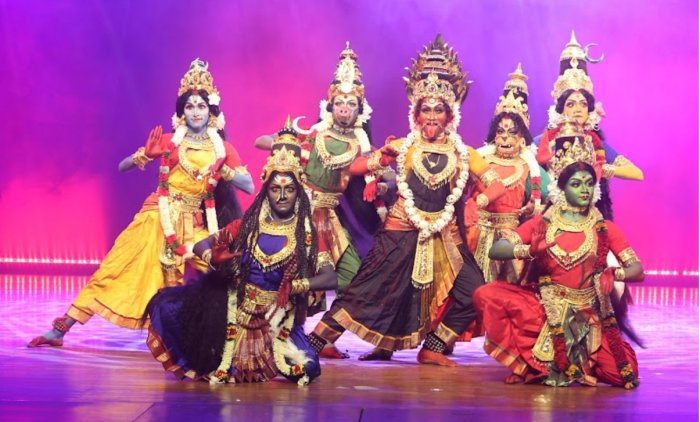 Matrika The festival culminated with Matrika by India's all-LGBTQ+ professional Rainbow Dance Troupe, Barasat, directed by Ratri Das. Rooted in the narrative of the Matrikas and the vanquishing of Mahishasura, the choreography celebrated the collective force of the divine feminine - honouring creation, protection and transformation - while standing as a strong statement of inclusivity within India's classical performance landscape. 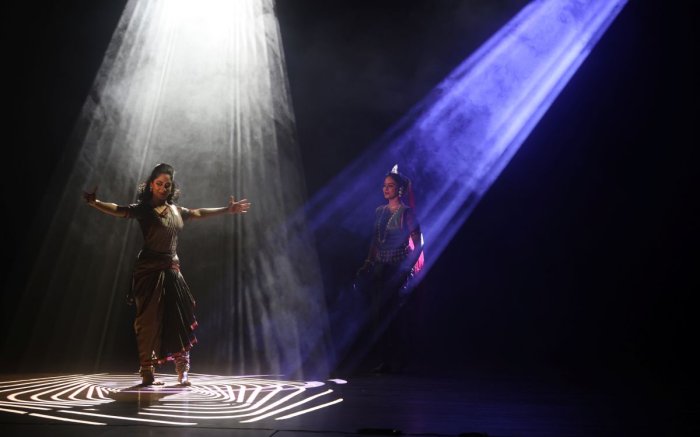 Duryodhana On January 28th, the festival presented two intense Mahabharata-based productions that drew audiences into the epic's ethical and emotional core. Duryodhana by Srjan-Guru Kelucharan Mohapatra Odissi Nrityabasa, Bhubaneswar, choreographed by Guru Ratikant Mohapatra, offered a layered portrayal of one of the epic's most complex characters, tracing his pride, ambition and moral blindness, culminating in a tragic realisation. 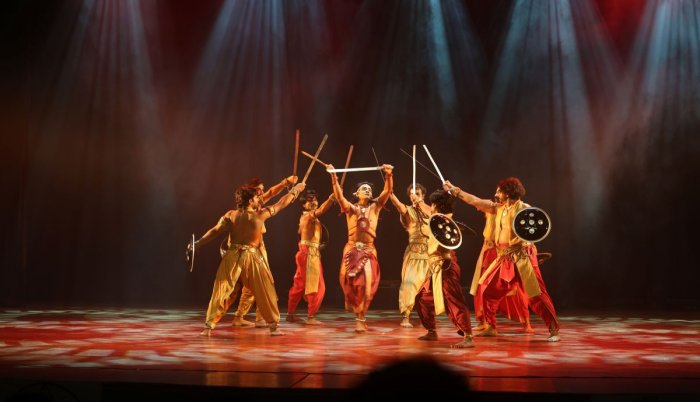 Chakravyuha This was followed by Chakravyuha by Shriram Bharatiya Kala Kendra, New Delhi, which depicted the heroic sacrifice of Abhimanyu through the martial vocabularies of Mayurbhanj Chhau and Kalaripayattu, leaving a haunting image of a lone warrior trapped within the ever-closing spiral. 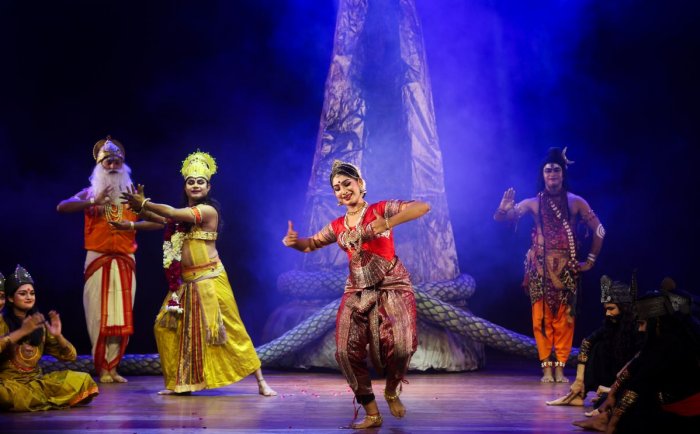 Amrut Manthan The earlier leg of Festival of New Choreographies - KalaYatra 2026, held from January 13th to 15th, featured six distinctive choreographic works from across India. The festival opened with Amrut Manthan, a magnum opus conceptualised, choreographed and directed by Dr. Sonal Mansingh, featuring repertory artistes of the Centre for Indian Classical Dances. The episode was based on the theme of the great churn of the milky ocean for nectar, Amrut-Manthan, which is drawn from the ancient, holy Hindu scriptures. 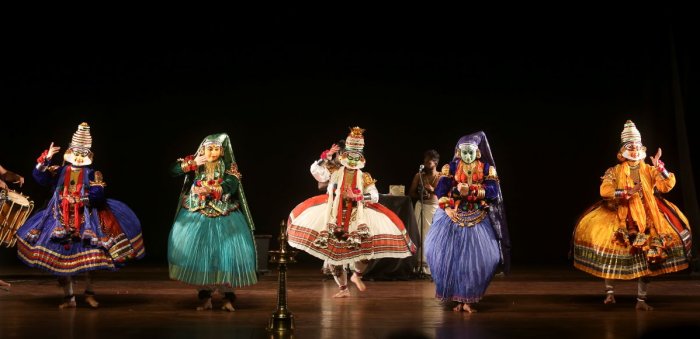 Athijeevanam Other notable presentations included Athijeevanam by Guru T.B. Jagadeesan of the International Kathakali Centre, showcasing the popular subject on preservation and sustainability of earth, which is a serious concern of the world. 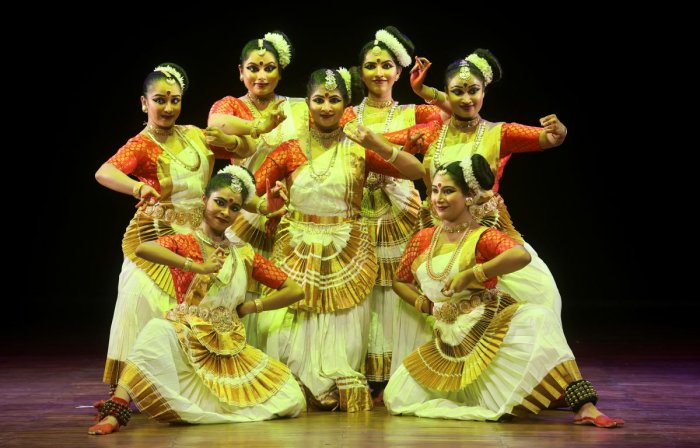 Naadaswarupaam Devim Namaami Naadaswarupaam Devim Namaami by Prof. Deepti Omchery Bhalla in Mohiniattam style eulogized Goddess Saraswati for her unparalleled beauty, as an eliminator of evil, personified through the seven sacred musical notes, delighting the hearts of those who meditate upon her divine form. 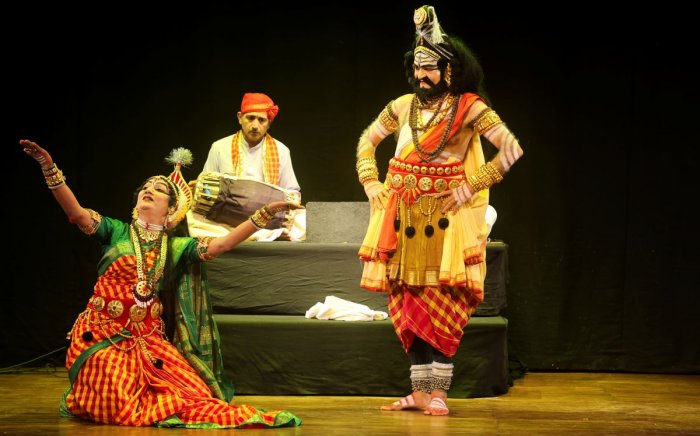 Girija Kalyanam Girija Kalyanam in the Yakshagana tradition directed by Guru Keremane Shivananda Hegde was an adaptation from the works of poet Devidasa. The episode depicted the events after the Daksha Yajna, where Dakshayani immolated herself in protest of her father's insult to Lord Śiva. 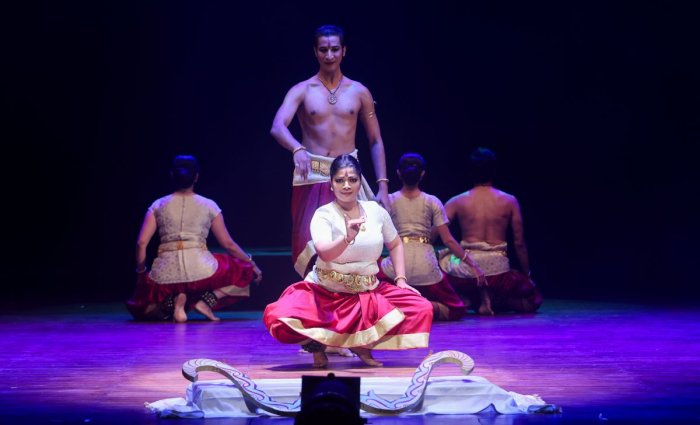 Karna Karna - Bound by Fate by Bharatanatyam Guru Vaibhav Arekar and Sankhya Foundation's repertory was a moving episode from the epic Mahabharata during the battle of Kurukshetra. It depicted the poignant moment when Karna's chariot halts in the war's climax bringing back memories of his birth, his dilemma, training in warfare, gift of kavacha-kundala, and of Draupadi vastra harana. The choreography traced his sacrifice, loyalty, and the inevitability of fate. 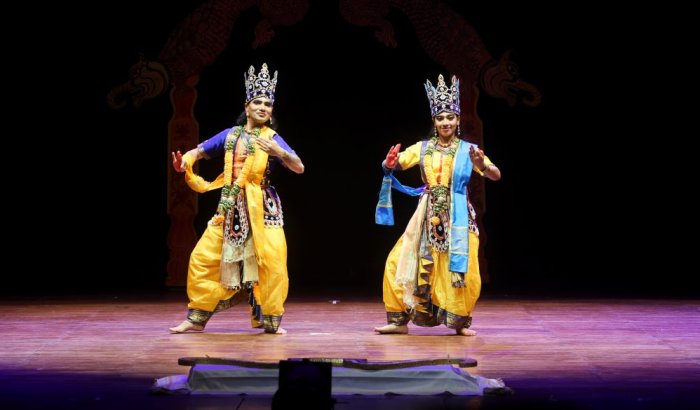 Sita Bibaha Bihar Sita Bibaha Bihar by Guru Bhabananda Barbayan and group from Assam in Sattriya style portrayed the theme from the Ramvijoy Naat of Srimanta Sankaradeva, a 15th-century great poet and dramatist of Assam. The dance production revolves around Ram, and how he broke Shiva's bow, and after defeating other suitors, won Sita's hand, which is from the popular Sita Swayamvar episode of the epic Ramayana. With sustained audience engagement and critical appreciation across all its performances, the Festival of New Choreographies - KalaYatra 2026 reaffirmed how classical dance continues to breathe, evolve and speak meaningfully to contemporary India. The festival was graced by a distinguished gathering of cultural leaders and iconic artistes. Packed auditoriums on all five evenings bore testimony to the deep cultural resonance the festival generated among rasikas and the wider public. Stating that the Delhi Government is proud to jointly present this unique cultural initiative, K. Mahesh, Secretary, Department of Art, Culture & Language, Government of NCT of Delhi, said, "Our Hon'ble Chief Minister Smt. Rekha Gupta is committed to positioning Delhi as a global cultural hub. For the first time, the Department of Art, Culture & Language has partnered with internationally renowned cultural icon Dr. Sonal Mansingh and her institution. Culture is a key priority for the Delhi Government, and the number of cultural events in 2025 has doubled under this vision." Reciprocating the support, Dr. Sonal Mansingh said, "A society that invests in culture invests in its own continuity. The Festival of New Choreographies was envisioned as a space where Gurus could speak to the present without abandoning the past. It reflects the many voices of India, classical yet contemporary, rooted yet inclusive. I thank the Government of Delhi for standing firmly with the Festival, and the Gurus and artistes who have upheld the highest standards of classical discipline while offering fresh choreographic thought. This Festival reminds us that civilisation survives not by repetition, but by conscious renewal." 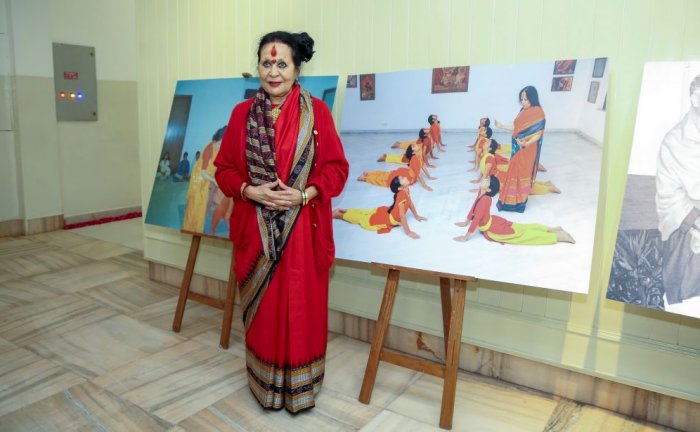 Dr. Sonal Mansingh The foyer of Kamani Auditorium showcased the 49-year journey of Shri Kamakhya Kalapeeth, Centre for Indian Classical Dances (CICD), through a pictorial exhibition of rare photographs, vintage memories and major milestones. Dr. Sonal Mansingh established CICD in 1977 in Delhi, envisioning a sanctuary for training, research and performances with special emphasis on addressing social issues. CICD prepares students with a deep understanding of coordination between body, mind and spirit, fostering excellence not only in art but also in character, instilling discipline, focus and resilience, preparing them not only to become outstanding performers but also to carry the message of harmony, beauty and peace in a world challenged by violence and aggression. |
