|     |
|
| |

 Flavours of Odissi, Bharatanatyam and Kuchipudi- Satish Surie-mail: satishism@yahoo.co.in November 23, 2025 'KIRTI CHANDRIKA MAHOTSAV' UNVEILS THE MANY FACETS OF ODISSI Photos: Manas Babu The annual festival 'Kirti Chandrika Mahotsav' curated by Chandrika Mohapatra, presented an enchanting evening of tradition, rhythm, and grace at the Samartham Auditorium, Bangalore, on October 19th. The event, which combined an exposition of Odissi, was presented by Alapadma - Centre for Dance & Research. 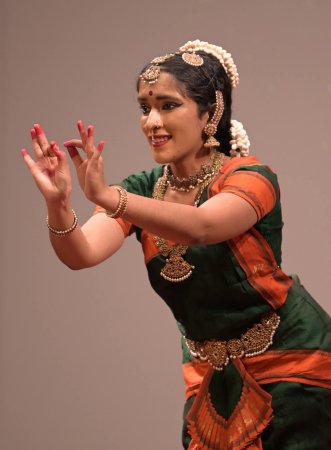 Smrithi Mohan The program began with a Bharatanatyam performance by Smrithi Mohan, a disciple of Chitra Vinod. She explored Muthuswamy Dikshitar's kriti in the raga Kumudakriya, a piece that shone through her innovative choreography. Her hastas deftly split to embody Shiva's ascetic trident and Parvati's nurturing lotus, perfectly evoking the rāga's twilight serenity. Mohan's gaze and subtle bhujangas (serpentine arm movements) infused the narrative with a tantric fluidity, challenging modern gender binaries while honouring its traditional Shaiva roots. The performance was marked by fluid nritta sequences, featuring crisp adavus and rhythmic korvais, which seamlessly transitioned into evocative abhinaya, creating a captivating and profound experience. The stage was then taken by Ramesh Chandra Jena, who delivered a soul-stirring rendition of Adi Shankaracharya's Jagannath Ashtakam. This hymn to Lord Jagannath's compassionate lila was brought to life through Jena's expressive tribhanga curves and symbolic chakra hasta mudras. Accompanied by the driving rhythm of the mardala, his performance moved with grace from the poignant longing of a pilgrim to a state of ecstatic surrender. His serpentine lahari undulations and profound drishti (gaze) masterfully captured the enduring spiritual ethos of Odisha's temple tradition. 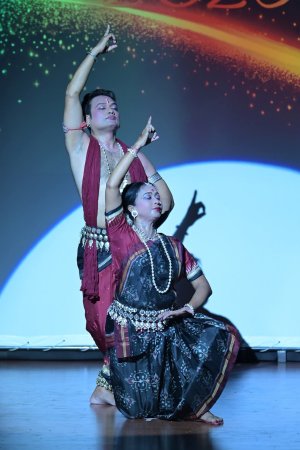 Ramesh Chandra Jena and Madhumita Mohanty The program continued with a captivating Odissi duet by Ramesh Chandra Jena and Madhumita Mohanty, which masterfully explored the nine Navarasas through pivotal episodes from the Ramayana. Their narrative journey was a tour de force of emotion, from the love (Shringara) of Rama and Sita and the valour (Veera) of breaking Shiva's bow, to the compassion (Karuna) for Jatayu and the comic delight (Hasya) in teasing Shoorpanaka. The performance then traversed the terror (Bhayanaka) of Sita's abduction, the wonder (Adbhuta) of the Vanar Sena's bridge, the disgust (Bibhatsa) of the battlefield, and the fury (Raudra) of Rama, before culminating in a profound and serene peace (Shanta). 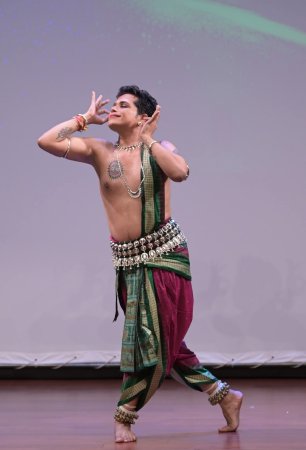 Debasish Pattnaik Debasish Pattnaik was the next to take the stage, first with a powerful exposition of Shiva and his divine attributes. The performance was a meditation on Lord Shiva - "the one who is adored by the cosmos, who holds the damaru and the trishul, bestows the abhaya mudra, is seated upon a tiger skin, and is endowed with deva gyana (divine knowledge)." Beginning with the primordial chant of "Om Namah Shivaya," Pattnaik's Odissi rendition dynamically explored the multifaceted glory of Shiva. He then followed this with his signature rendition of "Madhura Asthakam," a composition by Vallabha Acharya that describes every feature of Lord Krishna as sweetness personified. This second piece provided a captivating contrast, as Pattnaik transitioned from the fierce, meditative energy of Shiva to the utterly enchanting and tender lila of Krishna, showcasing his impressive range and command over abhinaya. The program concluded on a collective and uplifting note, with the students of Alapadma performing the traditional Moksha, a dance of liberation and spiritual release. 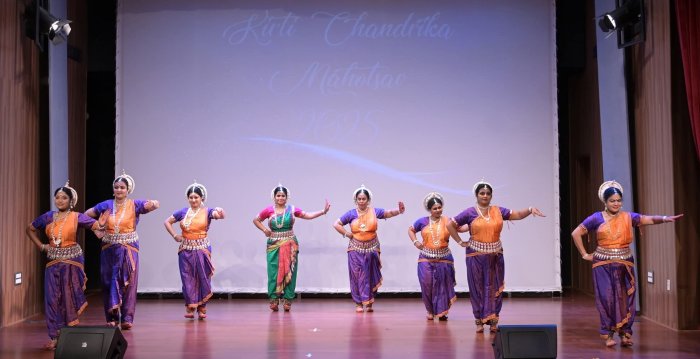 Alapadma group LASYAPRABHA 2025: A CELEBRATION OF LEGACY AND RHYTHM Photos: Prof K.S.Krishnamurthy The enchanting Lasyaprabha 2025, presented by the esteemed dance academy Nrityadhwani, graced the stage on October 25, 2025, at the ADA Ranga Mandira in Bengaluru. Curated by the visionary Yashomati Mishra - founder-director of Nrityadhwani - this festival introduced a truly innovative concept: intimate parent-child duets that wove together the timeless bonds of family with the artistry of Indian classical dance. By featuring mother-daughter and father-daughter pairings across Odissi, Kuchipudi, and Bharatanatyam, the event infused the performances with a deeply personal and emotional resonance, lending the festival a distinctive flavour of unity, grace, and intergenerational harmony. 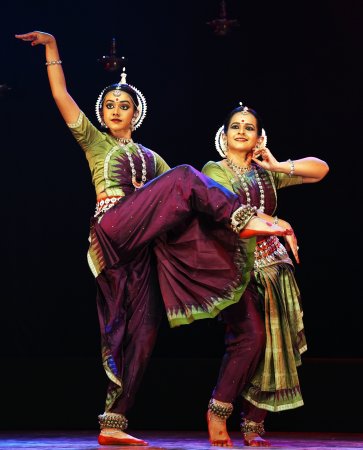 Yasomati Mishra & Saanvi Thakur The enchanting mother-daughter duo of Yasomati Mishra and Saanvi Thakur set the tone for Lasyaprabha 2025 with a mesmerising Odissi performance. Drawn from the poignant Ashtapadi (eighth chapter) titled "Chanchalya charita" of the 12th-century poet-saint Jayadeva's Gita Govinda, this abhinaya-centric duet extolled the ethereal beauty of Lord Krishna amid his playful dalliances with the gopis in the lush groves of Vrindavan. The narrative unfolds through the eyes of a sakhhi (confidante), who vividly recounts the joyous, flirtatious goings-on to the forlorn Radha, left pining in separation (viraha). It's a masterful interplay of longing and levity: Krishna's capricious charm (chanchala - playful and restless) contrasted against Radha's profound devotion, capturing the bittersweet essence of shringara rasa. The duo's synchronised mudras - depicting the gopis' enthrallment, the flute's call, and Radha's veiled sorrow - created a living tableau, as if the dancers were weaving the poem's verses into visible poetry. Saanvi's youthful vigour complemented Mishra's seasoned poise, their mirrored expressions amplifying the theme of maternal guidance mirroring divine love. The choreography by Kelucharan Mohapatra, adapted to the duet format by Yashomati Misra, and the music composition of Bhubhaneswar Misra infused the piece with the Odissi signature. The mother-daughter duo of Yasomati Mishra and Saanvi Thakur elevated the evening with a breathtaking Pallavi. This pure dance segment, a hallmark of Odissi's rhythmic sophistication, served as a luminous bridge between abhinaya's storytelling and the form's architectural precision. Performed to the evocative strains of raga Kalyan in Odissi contexts, the piece unfolded as a testament to their exemplary command - blending technical virtuosity with effortless grace. Crowning their Odissi showcase with unbridled ferocity and finesse, the mother-daughter duo concluded the opening segment of Lasyaprabha 2025 with a vibrant exposition of the iconic Shiva Tandava Stotram. This electrifying finale, a choreographic adaptation by the visionary Guru Kelucharan Mohapatra, was reimagined seamlessly for the duet format - transforming the hymn's soloistic vigour into a dynamic interplay of energies that mirrored the performers' profound bond. Set to the pulsating music composition of the late Pt. Bhubaneswar Mishra, whose rhythmic genius infused Odissi with modernist edge, the piece erupted as a cosmic whirlwind, blending tandava's raw power with the duo's innate lasya grace. It was a fitting capstone to their evening: from Krishna's playful leela to Shiva's destructive-creative dance, encapsulating Nrityadhwani's ethos of devotion through duality. Composed by the demon-king Ravana in the Shiva Purana, the "Shiva Tandava Stotram" is a Sanskrit paean extolling Lord Shiva's tandava nritya - the tumultuous, universe-shaking dance that symbolises creation, preservation, and dissolution. With verses like "Jata tavi galajjala pravaha pavitasthale" (depicting matted locks cascading like sacred rivers) and "Dharadharendra nandini vilasa bandhu bandhura" (evoking the Ganges' playful descent), it pulses with veera rasa (heroic fervour) and bhayanaka (awe-inspiring terror). In Odissi, this translates to a high octane nritta heavy piece, where Mohapatra's choreography - rooted in the form's sculptural vigour - channels Shiva's third eye's blaze through explosive gat bhangis and relentless tala cycles. 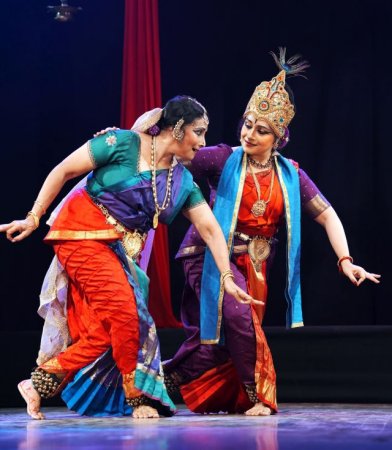 Vyjayanthi Kashi & Prateeksha Kashi In a magnificent conflux of artistry, lineage, and sheer passion, Vyjayanthi Kashi and Prateeksha Kashi delivered a performance that was as much a personal expression as it was a celebration of the Kuchipudi tradition. During Lasyaprabha 2025, the duo unveiled their highly anticipated work, Chitralohita. This Kuchipudi masterpiece, conceived and choreographed by Vyjayanthi Kashi, used the fiery colour red as both the thematic and emotional core of the performance, transforming it into a vessel for the expression of the nine emotions. The invocation at the beginning of the piece set the stage for a bold exploration of red, proclaiming it to be the quintessential colour, from the flames of the sunset and sunrise to the very blood that pulses through our veins. In this poetic declaration, red becomes not just a visual motif but an embodiment of life, emotion, and the very essence of being. As Chitralohita unfolded, the mother-daughter duo took this thematic declaration and sculpted it into an unforgettable performance, rich with dramatic flair, intricate footwork, and vivid imagery. The narrative architecture of Chitralohita is built upon the spectrum of the navarasas - all filtered through the lens of red. The colour, rich in symbolism, serves as the connective tissue between disparate emotional landscapes, offering both the performers and the audience a space to experience red's multifaceted nature. Vyjayanthi Kashi's choreography skillfully intertwined the technical brilliance of Kuchipudi - its precise nritta, nritya, and natya - with the poetic texture of red's varied connotations. Each rasa was given life through the vivid visual symbolism of red, from props and costumes to the lighting that bathed the performers in various shades, intensifying the emotional impact. The dramatic shifts in tone - ranging from the playful shringara to the fierce raudra - were brought to life with careful attention to these sensory elements, where red didn't just colour the visual field but penetrated the emotions and narrative itself. The beauty of Chitralohita lies not only in its exploration of red's emotional depth but also in its dramatic vignettes that draw from the vast reservoir of Hindu mythology. Moments such as Hanuman attempting to swallow the fiery ball of the sun, Radha's longing for Krishna, Kali's wrath upon Rakta Beejasura, and the empathetic act of Jatayu's fall all bring to the fore the primal essence of red - desire, devotion, fury, and sacrifice. Particularly striking was the portrayal of the wrath of Kali and her bloodlust for Rakta Beejasura, vividly conveyed through Prateeksha's commanding presence and Vyjayanthi's nuanced expressions. The climactic moment when Bhima, in a brutal yet compassionate act, anointed Draupadi's head with the blood of Dushasana, evoked a deep sense of peace that resolved the earlier turbulence, blending the violence of red with its capacity for restorative power. B.N. Murthy's script, replete with Sanskrit slokas and Telugu poetry, not only provided an elegant framework for the performance but also enhanced its visual drama. The poetic meter elevated the already rich choreography, grounding it in classical tradition while also allowing it to breathe with emotional potency. Uma Kumari's music composition, with its pulsating rhythms of mridangam and melodic veena swaras, became the heartbeat of the performance, echoing the forceful and dynamic nature of red itself. The music became an extension of the emotional resonance, amplifying each narrative moment and offering an immersive auditory experience. The intimate yet grand performance format reflected the ethos of Lasyaprabha - a festival celebrating the parent-child bond - and Chitralohita proved to be a fitting tribute to that theme. Chitralohita was a masterful fusion of form, emotion, and heritage. With red as both a symbol and a muse, Vyjayanthi and Prateeksha Kashi not only showcased the technical and expressive prowess of Kuchipudi but also offered a vivid exploration of the human condition. The performance was a poignant reminder of the transformative power of colour, myth, and emotion - a blazing testament to the undying flame of artistic legacy. 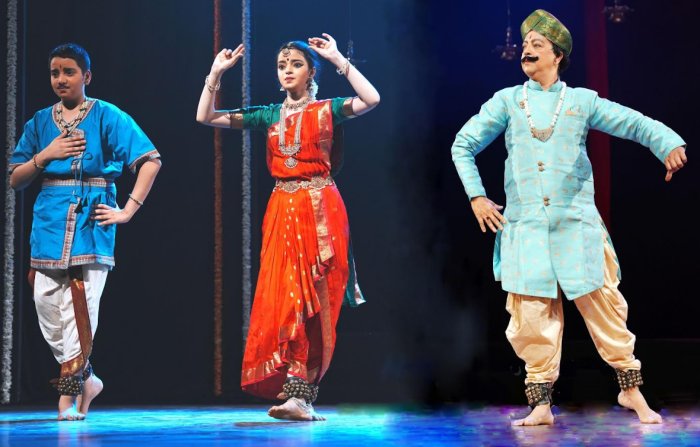 Keshava, Samruddhi and Pulikeshi Kasturi In a performance that brought emotional intensity to the stage with a singular focus, the father-daughter duo of Guru Pulikeshi Kasturi, Samruddhi Pulikeshi, and their son, Keshava, delivered an unforgettable Bharatanatyam rendition of B.M. Shree's "Kari Hegadeya Magalu" - The Daughter of the Black Merchant. A tragic ballad, it channels the profound sorrow and defiant love of ill-fated lovers, echoing the timeless themes of Thomas Campbell's 'Lord Ullin's Daughter.' Where traditional performances might crescendo to an uplifting conclusion, this trio defied expectation. They closed with an uncompromising denouement that left the audience in the grip of karuna (pathos). It was a journey steeped in sorrow, a relentless exploration of love, loss, and the curse that binds fate, unspooling like an emotional tempest through the dancers' movements. The choreography was a masterstroke in Bharatanatyam's expressive nritya. Each gesture, each movement, was calibrated to pull the audience deeper into the narrative's depths. Kasturi's commanding presence anchored the performance, embodying the father's curse with a gravity that seemed to echo through time. Samruddhi's portrayal of the daughter was a study in vulnerability - her every gesture told the story of defiance and heartbreak. Keshav, in his role as the lover, balanced youthful exuberance with a poignant awareness of fate's cruel grip, embodying a character whose love, though pure, is doomed. What truly set this performance apart was the synchronicity of the trio. Their energy fed into one another in a seamless flow, creating a powerful emotional dialogue. The deliberate pacing, interspersed with crisp adavus, allowed each emotion to unfold slowly but steadily, making every moment feel laden with meaning. Their physicality wasn't just a vehicle for the narrative - it was the narrative. The purity of their posture (angashuddhi) was impeccable, and the bhava infused into each step reflected the poignant layers of the story. Mishra's thoughtful curation wove together elements of Odissi's lyricism, Kuchipudi's drama, and Bharatanatyam's rigorous form into a cohesive, transcendent piece of art. In an era where art is often consumed in fleeting moments, this performance stood as a testament to the eternal power of dance - a performance that spoke of family, of bloodlines not just bound by heritage, but by an enduring artistic legacy. Through rhythm, movement, and unspoken communication, they painted a narrative that will echo in the minds of those lucky enough to witness it. 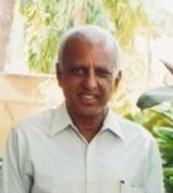 Bangalore based Satish Suri is an avid dance rasika besides being a life member of the Music and Arts Society. |
