
|     |
|
| |

 'Sundara Kandam' by Dr. Lakshmi Ramaswamy- Aishwarya VenkatPhotos: Santosh Selvaraj September 5, 2025 The Bay Area recently witnessed a vibrant resurgence of classical storytelling of Sundara Kandam, an evocative Bharatanatyam production by renowned research scholar, teacher, and choreographer Dr. Lakshmi Ramaswamy, Founder and Director of Sri Mudraalaya. Bringing it across the Pacific by Janani Narayanan and Girija Anand (Nrityakalaya Dance Academy and Nrityashakti Dance School), this revival brought together an enthusiastic ensemble of Bay Area dancers, drawing packed audiences for two full shows - a testament to its enduring appeal. Sundara Kandam holds profound importance in Hindu tradition. Focusing on Hanuman's fearless leap to Lanka, his tender encounter with Sita, and his return with hope, this chapter celebrates unwavering devotion and dharmic resolve. True to its essence, this production became a spiritual experience wrapped in aesthetic brilliance. Infused with Dr. Lakshmi's deep expertise in Tamil literature, the production featured lyrics by Rukmini Ramani, daughter of the legendary composer Papanasam Sivan, and was tuned by maestro Rajkumar Bharati, whose compositions enriched every moment with emotional gravitas. Soaring devotion 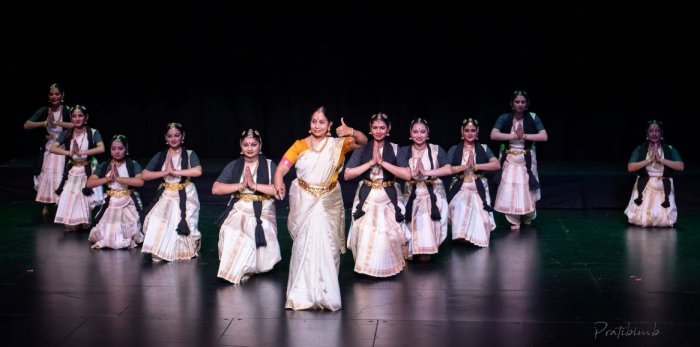 The performance opened with a vibrant Anjali in Vasantha, an offering to Vayu's son. Dancers brought Lakshmi's choreography to life with crisp footwork and expressive clarity. Reshma Rajeev portraying Veera Hanuman, delivered a commanding performance - fierce, agile, and unwavering as she navigated aerial leaps, storms, and vanquished the fierce guardian Lankini, powerfully enacted by Supriya Sudhakar. A tonal shift followed with the quieter, more introspective Vinaya Hanuman, embodied by Sukanya Kumar, whose manodharmic abhinaya delicately revealed Lanka's cityscape. The poetic verses and her delicate expression offered an elegant shift in tone. Contributions from students of NDC and NDA offered charming transitions and theatrical interludes, infusing the narrative with moments of levity. Ravana's shadow and Sita's strength The shift to Ashokavana was marked by the calm, dignified entry of Soumya Tilak as Sita, her composed presence beautifully aligned with the role. The Rakshasi ensemble's off-beat rhythmic sequences added a contemporary flourish within the classical idiom, creating striking texture and variety. Ravana's Kathakali-style entrance between curtains was a bold theatrical device, elevating the drama of his confrontation with Sita. Janani Narayanan's portrayal of Ravana combined menace and grandeur, capturing the role's complexity with stylized presence. The emotional high point emerged in the dialogue between Sita and Hanuman. Tamil poetry often poses challenges for narrative clarity with its dense vocabulary and literal gestures, yet the lead performers - Sita, Hanuman, and Ravana - anchored the drama with nuance, depth, and evocative abhinaya. The fire within 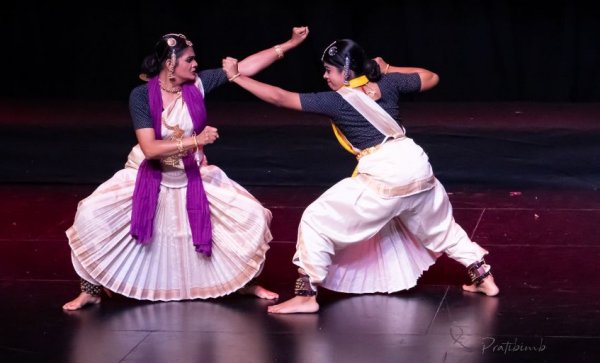 The final act showcased Hanuman's fury, culminating in his fiery confrontation with Indrajit. Bristling with intensity, the choreography featured intricate jathi patterns, rhythmic precision, and striking stage energy. The musical scoring here was particularly impactful, driving the momentum with seamless synergy between rhythm and movement. Though the culminating thillana occasionally crowded the stage, the choreography retained clarity and structure. Each character was offered closure to their narrative arc - a thoughtful directorial touch by Lakshmi. Special recognition goes to the versatile performers who embodied multiple roles: Girija Anand (Vibhishana), Varsha Shankar (Indrajit), Mathangi Iyer (Sugreeva), Nikita Sreekanth (young Rama), and dancers including Sowmita Balasunderaj (youthful woman in Lanka), Apoorva Shastry (Trisada), Divya Thellore (Jambumali), Avani Gadre (Lakshmana), Tvisha (Jambavan) and Sadhvi Narayanan (young Sita). Each performer contributed individuality, precision, and emotional weight to their roles. Final reflections 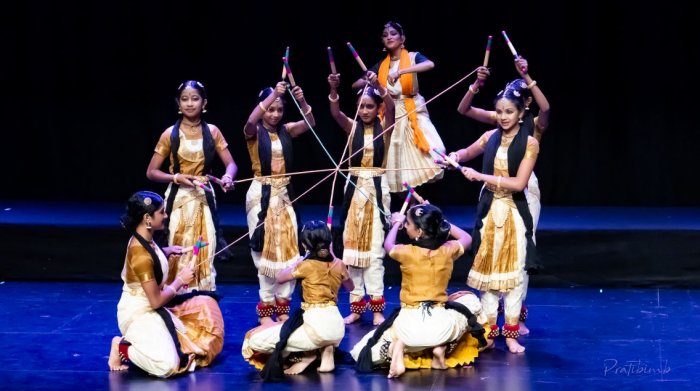 Sundara Kandam succeeded in engaging audiences across generations. It was a rich, immersive production that balanced classical rigour, poetic elegance, and theatricality, all while staying rooted in Bhakti (devotion). From young girls dancing pinnal kolattam to seasoned dancers exploring layered abhinaya, this show celebrated tradition while opening pathways for innovation. A thoughtful highlight was the use of visual subtitles, which helped non-Tamil-speaking audiences appreciate the depth of the verses without diluting their authenticity. Dr. Lakshmi Ramaswamy's vision was clear, intentional, and holistic. With positive intent at its core, the production carried its dharmic message with beauty and resonance, leaving the audience spiritually uplifted and artistically fulfilled.  Aishwarya Venkat is a Bharatanatyam artiste, collaborator, and founder of Samvaadah, promoting local Bay Area arts through performance, volunteering and digital outreach. |
