
|
    |
|
|
|

INTERVIEWBringing Rasa to the Digital Stage: A conversation with Aravinth Kumarasamy- Dr. Siri Ramae-mail: sirirama@hotmail.com June 29, 2026 With so much culture now experienced through screens, can the deep emotional connection of Indian classical dance - the Rasa experience - be felt online? Aravinth Kumarasamy, founder of Avai.Video, a streaming platform for Indian dance and arts, believes it can. 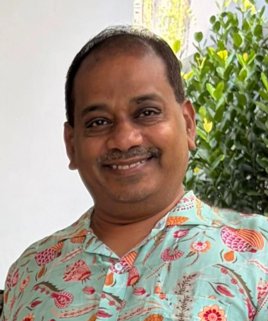 Born in Sri Lanka in 1966, Kumarasamy is a well-known artist working in the field of Indian classical dance and music. He's been leading Apsaras Arts in Singapore since 1999 and received Singapore's top arts award, the Cultural Medallion, in 2022 for his work over 35 years. He's also known for organizing Indian Performing Arts Conventions in Singapore and Australia. When asked about the difference between live and online shows, Kumarasamy says, "You can't replace the physical performance. The live stage has the full Natya Shastra - the rasa or emotional experience - that's unique. But live shows have limits. If you don't have a good seat, your view is limited. The camera can get close and show angles you can't see in person." He adds, "Artists now have to create for the camera, not just the stage. The dancer becomes part cinematographer, imagining how the audience will see each movement. Sometimes they even direct the camera crew." This approach lets viewers see details lost in a theater - the sweat, facial expressions, and subtle emotions. "The camera brings the artist closer, creating an intimacy that's hard to get in a big hall," Kumarasamy explains. The platform also helps artists who face challenges touring. "Touring is expensive. Most performances happen in Chennai or Bangalore. What about people in Mysore or Coimbatore? Our platform brings the performance to them." Avai's Aaha! Digital Dance Destination runs for five weeks, featuring artists from legends to rising stars. The lineup includes names like Dr. Padma Subrahmanyam, Priyadarsini Govind, the Dhananjayans, Rama Vaidyanathan, Vaibhav Arekar, and Hema Rajagopalan, alongside new talents like Anand Unni and Shreema Upadhyaya. Ensembles like Apsaras Dance Company and Kavya Muralidaran's troupe also perform. "We offer about twelve-minute episodes," Kumarasamy says, "because online viewers don't want three-hour shows. These episodes give a full experience without overwhelming." Artist selection is careful. "We have categories - legends, trailblazers, rising stars. We include vintage footage for some legends and fresh performances with multiple camera angles to capture every detail." Performing for the camera is a different skill. "Dancing live and dancing for a lens aren't the same. Some artists have mastered it; others are learning." Protecting artists' work is important. "Unlike YouTube, where piracy is common and artists get no revenue, our platform is secure. Copyright stays with the artist, and we share revenue with them." The platform also allows artists to watch and learn from each other. "Live shows don't leave time for that. Now, they can watch anytime and get inspired." The camera crew plays a key role. "They know Indian dance well - when to zoom on footwork, when to show expressions, and when not to show certain things. This ensures the dance is shown properly." Kumarasamy hopes the platform will grow live audiences, not replace them. "If you watch a twelve-minute clip and like it, you might go to see the full show live. We want to make classical arts accessible beyond the usual circles." The question of whether the rasa experience can be fully translated online or not is arguable, but the definite shift to online experiences of performing arts is a reality which is here to stay for the immediate future for Indian classical dance artistes. (This article is part of an interview conducted for a research paper on the rasa experience in online Indian classical dance performances and related arts, with direct quotes from the conversation.) 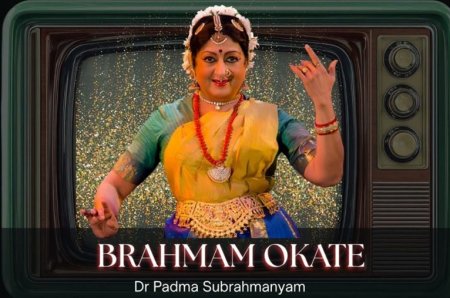 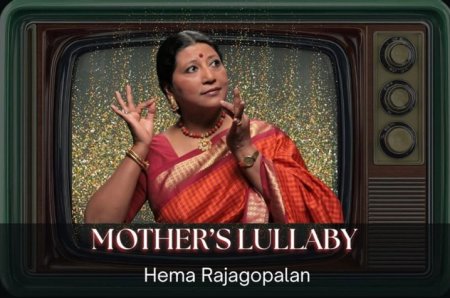 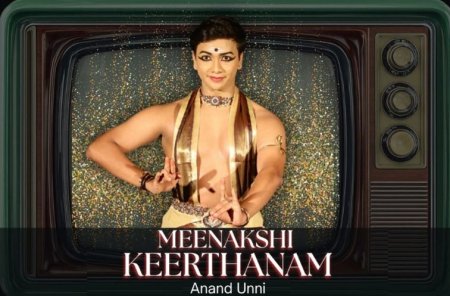 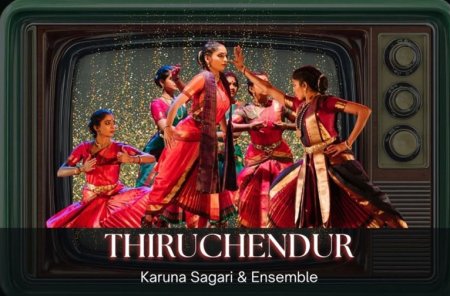 Festival Highlights: Aaha! Digital Dance Destination Week One (June 1 - 3)
 Dr. Siri Rama is a Bharatanatyam and Kuchipudi dancer, teacher, and choreographer based in Singapore. She founded the Kanaka Sabha Performing Arts Centre in Mumbai and holds a PhD in Fine Arts from the University of Hong Kong. Dr. Rama is Adjunct Faculty at Singapore Management University and Nanyang Academy of Fine Arts and has served as president of the Singapore chapter of World Dance Alliance Asia Pacific. She is the author of Dance Divine: Dancing Deities of India (2021). Post your comments Please provide your name when you use the Anonymous / blog profiles to post a comment. All appropriate comments posted with name in the blog will be featured in the site. |
