
|     |
|
| |

ANITA SAYS..... October 1, 2026 I can only paint in India Europe belongs to Picasso, Matisse, Braque India belongs only to me. - Painter Amrita Sher-Gil 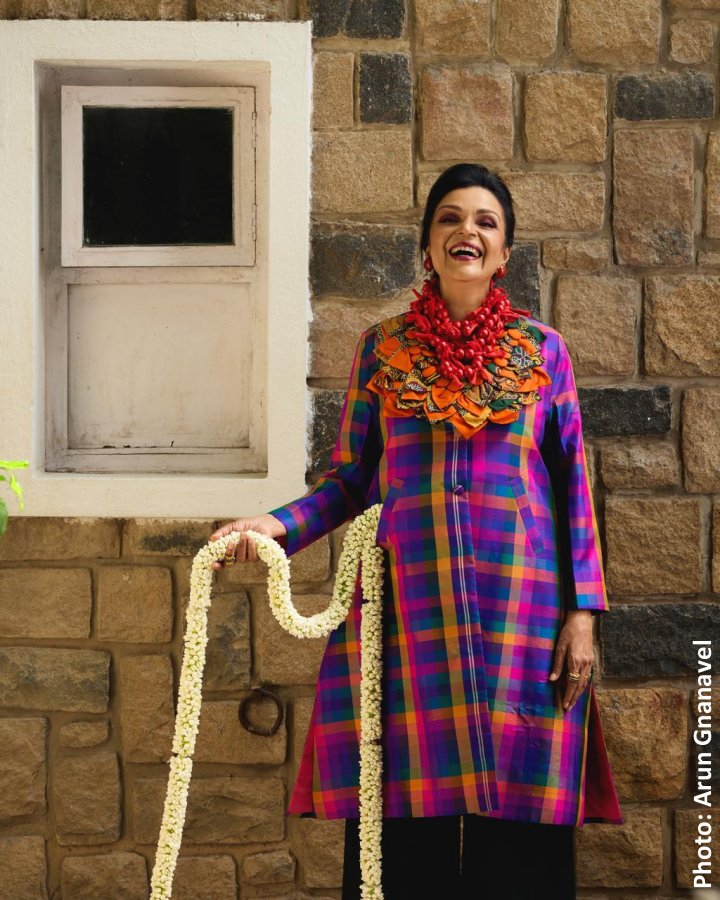 And just like that, I feel exhilarated to be a dancer, a performer and everything that has given me an inside view of this fabulous and frenetic world. I must confess, that the past few months had left me a bit wistful, maybe even a tad sad and uncertain about the future of our classical and neo classical styles. Despite all the efforts of recasting Bharatanatyam especially, in various moulds - stand-up comedy, Nightie Natyam (wearing kaftans for abhinaya) and Hip Hop, twerking and what not - there is so much energy and talent out there. Amidst the barrage of festivals and performances, I am seeing some phenomenal energy in the performing arts space. And so, I share my travels and thoughts this month on a true high! MELBOURNE This vibrant and culturally diverse city called me back after 6 years. This time, my flight Down Under was to watch and lend solidarity to my long-time dance colleague, the dance diva of Australia, Anandavalli. 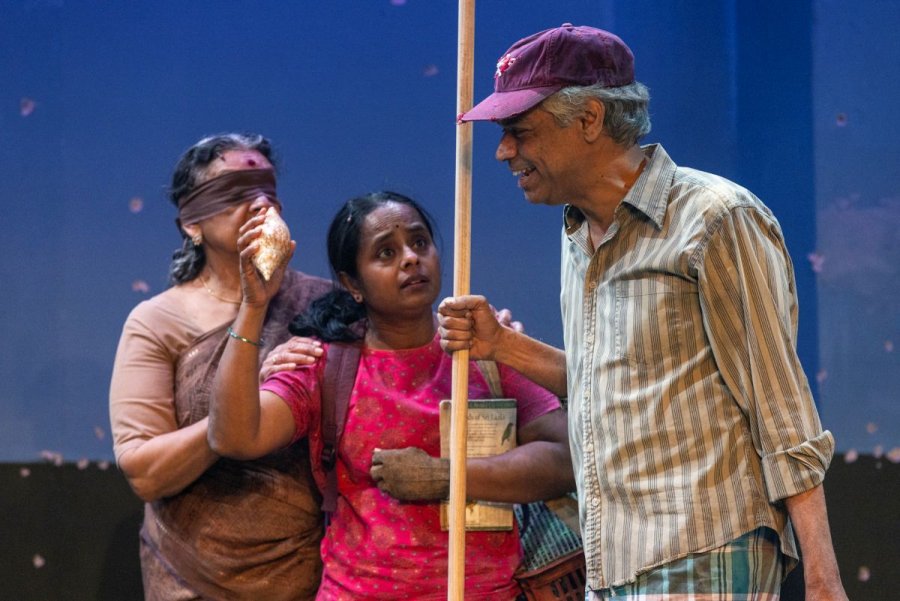 Anandavalli, Nadie Kammallaweera & Prakash Belawadi (Photo: Brett Boardman) An icon of Bharatanatyam and Kuchipudi from Sydney, Anandavalli has been recast as an actor under the keen eye of her brilliant playwright son SS Shaktidharan. In the astonishing and very moving play THE JUNGLE AND THE SEA, Anandavalli plays the female protagonist GOWRI, a Sri Lankan Tamil matriarch, who watches her children and her community slaughtered and sacrificed in the long and bloody Eelam civil war. With a continuing revolving stage that became the home, church, playground and the killing fields, this nearly 3 hour play had every audience member in tears at many moments. The dialogue argued for culpability on both sides - betrayal, brutality and dirty politics - that left hundreds of thousands of men, women and children dead on the beaches and in the jungles of Northern Lanka. The skillful direction, the clever morphing of the rebellious Antigone who defies authority to bury her slain brother and Gandhari, the Mahabharata queen who blindfolds herself, refusing to “see” the debacle of death and devastation around her - gave nuance and depth to Anandavalli /Gowri’s character. 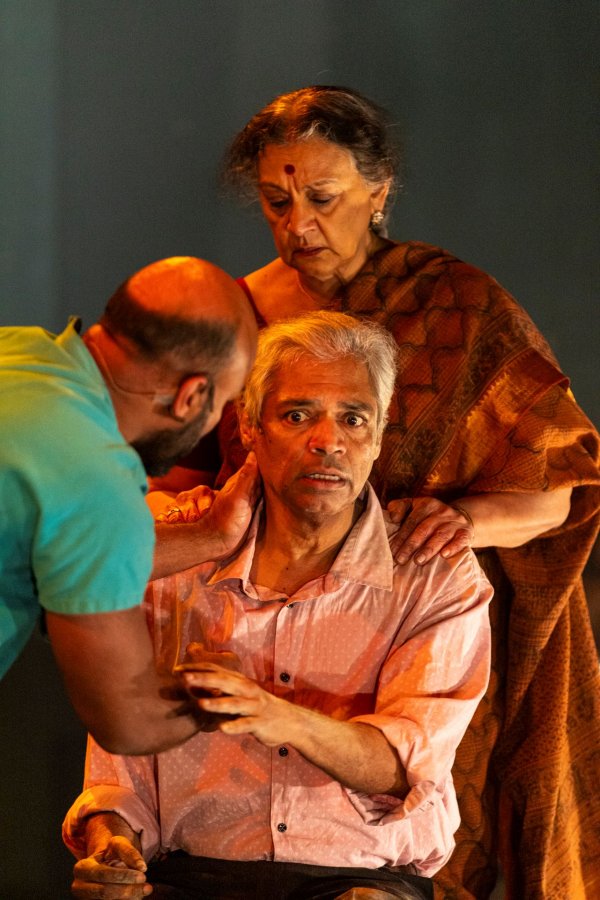 Prakash Belawadi & Anandavalli (Photo: Brett Boardman) Being Tamil myself, I was living in the USA when the civil war broke out in Sri Lanka. Years later, when a tenuous peace arrived, the island nation became the favourite holiday destination for Indians. However, I was repeatedly asked by immigration officials at Chennai airport as to WHY I wanted to vacation in a country where “our people” were killed! Such was the Tamil sentiment. Those moments returned to my mind screen in vivid multicolour as I watched THE JUNGLE AND THE SEA. Anandavalli was brilliant in her role, repeating her performance 8 times a week for 6 long weeks. The rave reviews and housefull audiences, mostly mainstream Australians, was a tribute to the relevance of this saga that began in 1983 as a struggle by the Sri Lankan Tamil community for acknowledgment and sharing of power in public life. To think, that at 69, this award winning classical dancer has found a brand new lease of life and is now in rehearsal for her next stage venture! While in Melbourne, I visited a charming celebration of Krishna Jayanti organised by the Indian community. The evening brought back memories of my early days in NYC, when basements and temples were the weekend venues for every kind of celebration. SINGAPORE 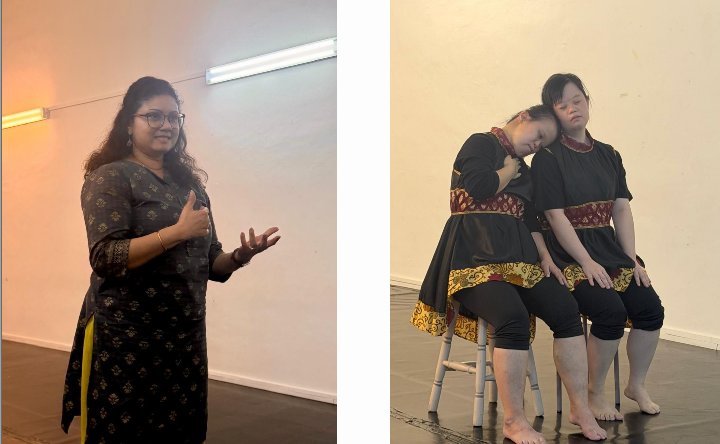 Making a conscious stop in Singapore on my return flight, I dropped in to watch a rehearsal by dancer turned choreographer/director and trained occupational therapist Kavitha Krishnan. A former Bharatanatyam student of my guru Neila Sathyalingam, this brave woman has turned her energies and focus on creating compelling stage works involving neuro divergent performers. The rehearsal I watched was being prepared for a festival in Manila, Philippines. Kavitha founded MAYA DANCE THEATRE and DADC - Diverse Ability Dance Collective - to create moving and very serious work that has taken her to India, Pakistan and many ASEAN countries. It is very tough work, unglamorous and very far removed from the arc of classical dance. I marvelled at how independent and articulate her performers were - how confidently they moved in space and expressed themselves. They answered the question “Why can’t I dance on stage too?” CHENNAI 1. RADHA’s LONGING 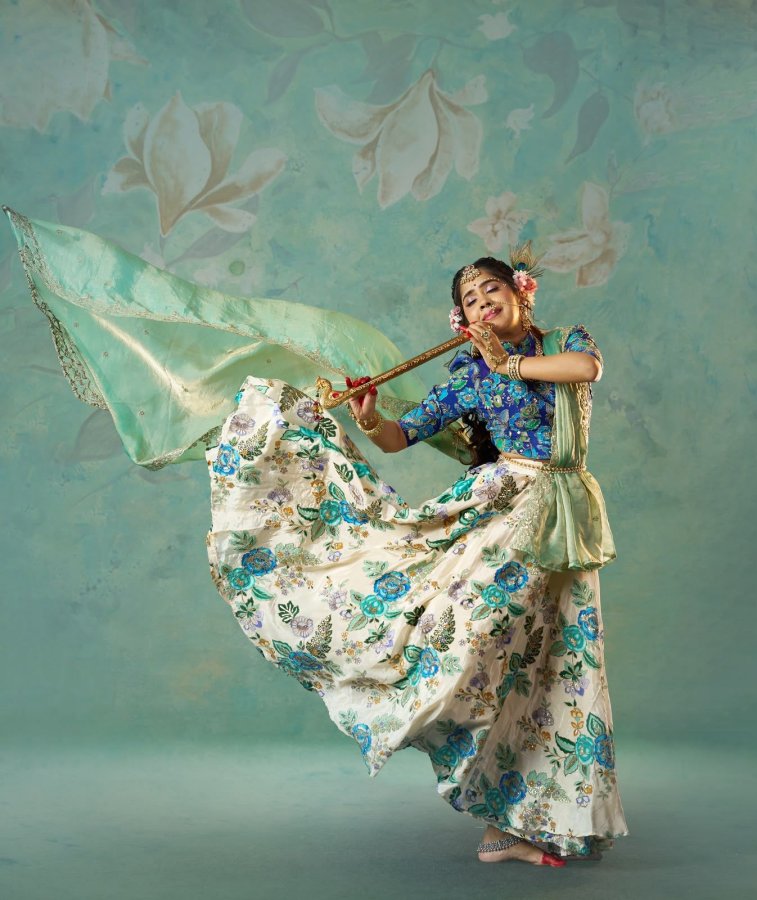 Kavya Muralidharan How many times have we seen this arc of Krishna’s beloved and her passionate longing? In Bharatanatyam dancer Kavya Muralidharan, I watched a dress rehearsal of her latest work SHYAMA RANG: Echoes of Vrindavan. A large and ambitious cast comprised Kavya’s large vision and her keen eye on production details. The rehearsal I watched was in a smaller space and it was an excellent chance to watch the choreography up close, as well as the use of the many props used in the show. Her mother, Chitra Muralidharan, was also at the rehearsal, and we found that many of our observations were on similar lines. I have always urged choreographers to think about each prop that is brought onto the stage. They become characters and co-performers. Their entry and exit must all be planned and neatly executed. SHYAMA RANG shows Kavya generously allowing her dance company to shine as a team and some of the dancers were really very good. Kavya’s strong rhythmic prowess and stage presence was evident even in rehearsals and this production is slated for several performances in the coming months. 2. JAYA JAYA DEVI When nostalgia takes over. 32 years ago, I toured as Devi Durga in the epic dance ballet JAYA JAYA DEVI. With music composed by the Carnatic music icon Lalgudi Jayaraman, this nearly 3 hour dance “opera” drew full houses in 25 cities across USA and Canada. This was my first and only “Circus tour”. Playing every night in a different city, packing, unpacking in various green rooms, airports, flights. The year was 1994, a very different time in an analog world. 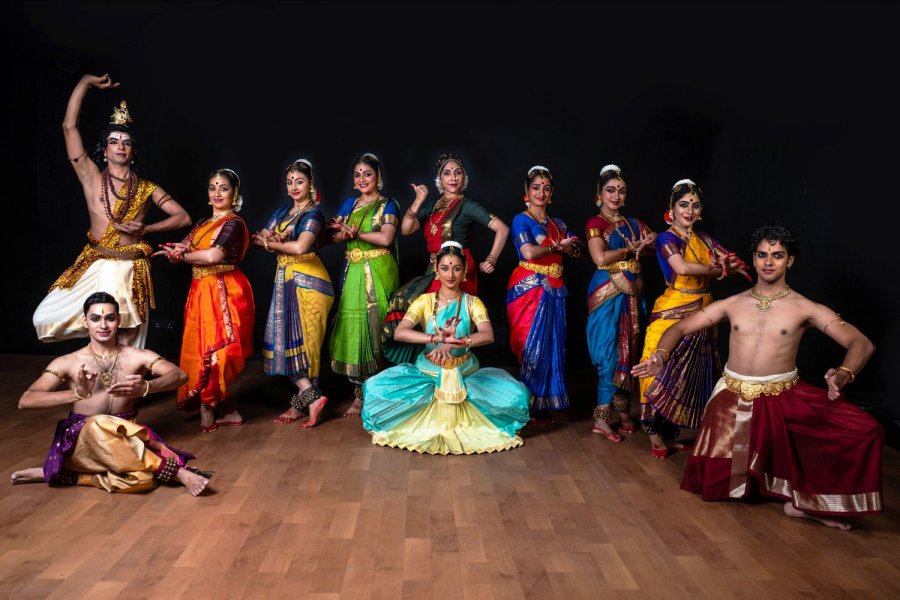 Jaya Jaya Devi (Photo: Rishi) Watching this unedited version remounted with dancers from various schools and not from Guru Rhadha’s Vazhuvoor academy was a huge miss for me. There were too many varying styles on display although some of the soloists were remarkably good. JAYA JAYA DEVI was the brainchild of producer Uma Ganesan of the Cleveland Cultural Alliance. Her eye for detail, timing, costuming, producing for a North American audience was an eye opener for me. Playing Durga and being the only female cast member who was not Guru Rhadha’s student, gave me ample time and space to recreate the character to suit my body and physique. Guru Rhadha was most generous in giving me the freedom and I remember adding the Kathakali “slide” as the Goddess is taken to the ocean for submersion. Against the brilliant musical score, various avatars of Devi unfolded. Dakshayini, Uma, Parvati, Karumari and Durga. Actor and narrator PC Ramakrishna played the role of Nandi, Siva’s drummer and faithful steed. His stentorian voice and commanding stage presence has not diminished in the many decades of his stage career. 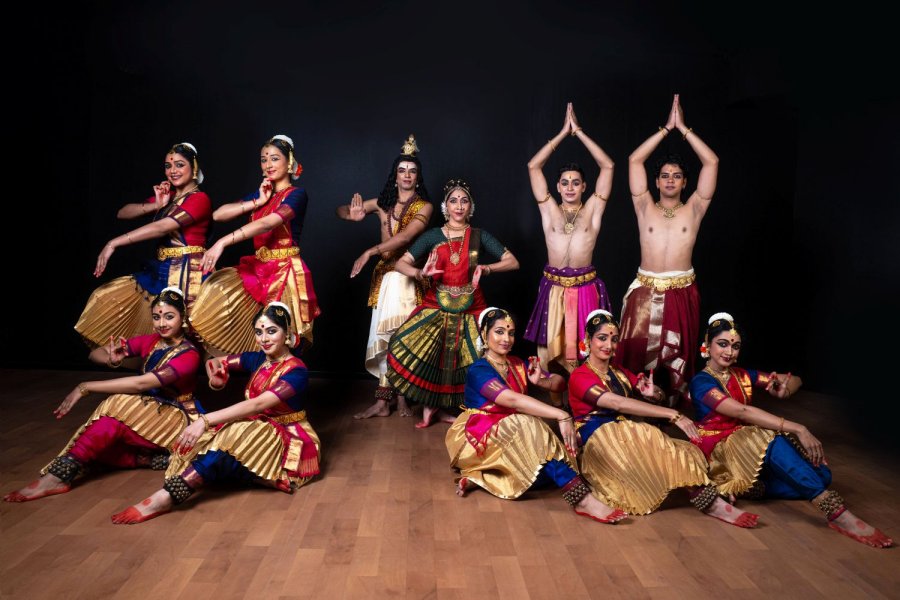 Jaya Jaya Devi (Photo: Rishi) The chorus was uneven in their dancing and there were many times when severe editing seemed obvious. What did stand out for me were the two iconic Vazhuvoor Ramaiah Pillai jathis “tat tat didiku, dit dit didiku” (Ardhanari jathi) and “Nandi thonga”. Just listening to them as uttered by the peerless Jayashree Ramanathan on the recorded score was thrilling. I must confess that watching this dance ensemble took me back to that eventful tour and the many fun and frantic moments we experienced as we shared the stage. The ecstatic crowds, many dropping to the floor to offer their respects to “Durga”, the milling crowds who did not want to leave, the generosity of volunteers who would drive us for miles for a meal or to a mall - my mind rewound 32 years to those memories, leaving me wandering in and out of the stage revival unfolding before me. The housefull and overflowing Narada Gana Sabha auditorium was filled with a certain generation of men and women who received all they heard and saw with adoration and applause. JAYA JAYA DEVI is a very important landmark production in the 20th century history of Bharatanatyam ensemble dancing, dramatic choreography and a Carnatic music genius creating a score to be danced and not played on an instrument or sung in a concert hall. Revived with the loving care of siblings Lalgudi Krishnan and Lalgudi Viji, the maestro’s children, the nostalgia soaked evening for many, including myself, was appreciative, forgiving several awkward moments for millennial and Gen Z times. PITCHING YOUR WORK How many dancers have a professional deck of their work? Not too many, unless their agents and representatives create one for them. A virtual version of their profile, highlights and video excerpts of their roster of work, tech riders, touring calendars and press reactions. When you see how international presenters and festival directors approach and meet local artistes, you realise that much of the facilitation is set up by the country’s India offices. They prefer to deal with an agent or a representative rather than the artiste directly. The recent visit of the SYDNEY FESTIVAL to Mumbai, Bengaluru and Chennai was a case in point. Meeting a wide variety of performers and visual artistes must have been a sensory overload but many brilliant artistes without an agent would have been left out of the conversation. Still, with Australia now forging ahead with grants, financial support and imaginative collaborations, this is going to be an exciting time for a range of artistes from our shores to travel Down Under! ERASING BORDERS NYC 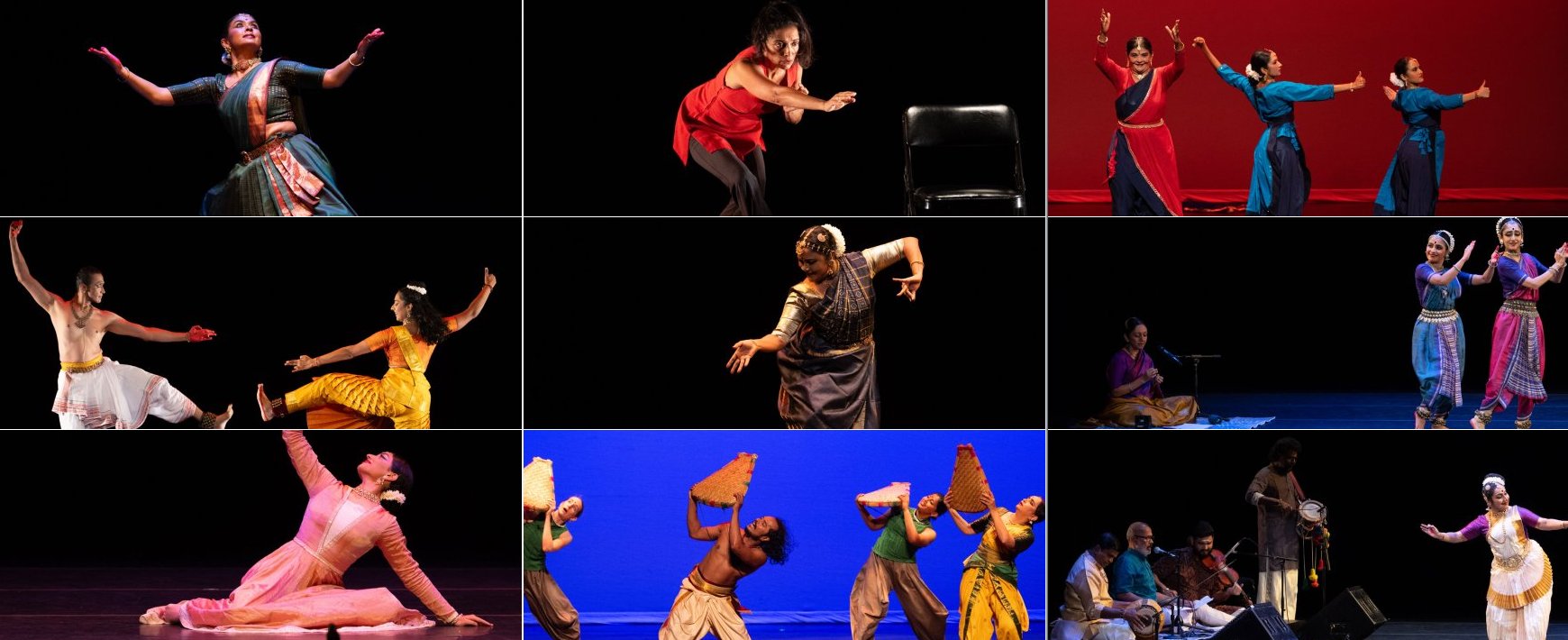 At last, the US visa clamp down has forced dance organisers to look to their own geographies for programming. The recently concluded dance festival at Hunter College in NYC has proved that the range of talent for Indian dance exists within the USA itself. For many years I have watched with exasperation as the same names were invited repeatedly with, what I thought, was lazy and convenient curation, ignoring the growth and development of what was evolving in the USA. This year, that ceiling seems to have been breached. The line up was interesting and although India based performers Radhe Jaggi and Neena Prasad were featured, the two housefull evenings showcased several US based artistes. In pursuing their passion across the waters, these India and US born artistes have chosen to confront painter Amrita Sher-Gil’s firmly held opinion (which is featured as the opening quote of this essay) of how her painting changed visibly as soon as she set foot in India. Now what I would like to see is a greater variety of representation from Sattriya, Manipuri and Chhau. There is just too much Bharatanatyam everywhere and these lesser seen styles deserve showcasing. Cheers to the curators for a successful festival. THE SEASON FOR AMRITA SHER-GIL 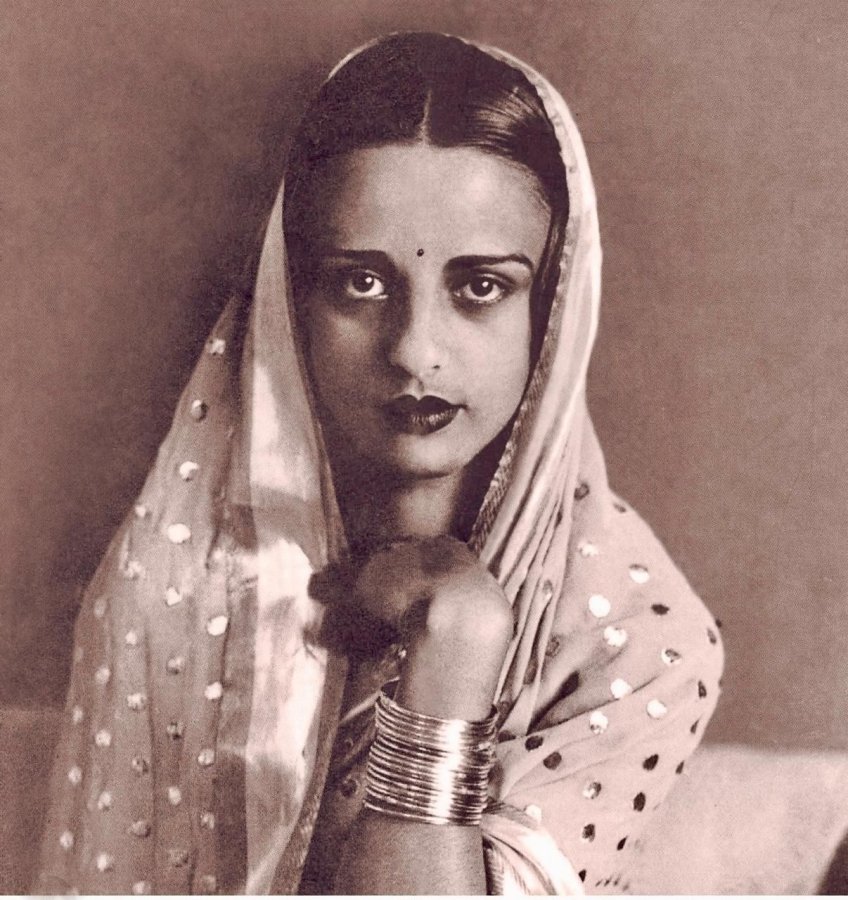 Amrita Sher-Gil What is it about a theme that becomes the flavour of the season? One idea seems to spread, without intention, to so many artistes that it seems to be an overload of the same topic. This year and the next, brace yourself for several versions of the life and work of painter Amrita Sher-Gil. The Punjabi artiste has a storied life from Budapest, Hungary to India. Films, puppet theatre, dance, storytelling and beyond, Sher-Gil is being revived in several versions all across India. Like the Mexican icon Frida Kahlo, whose striking image is now a global merchandise juggernaut, Sher-Gil’s singular life and work deserve a modern audience. Let’s wait and see what emerges. It is a challenging topic, veering away from Goddesses, Sita and Draupadi. Am waiting. And finally, as I stated in my opening sentences, there is much happening in the world of Indian dance beyond our shores. Bharatanatyam and Kathak have reached the finals of national college dance competitions. Dancing on pots while holding poses, wearing night wear on stage, invoking Siva as “the dude” seem par for the course. While AUCHITYA (what is appropriate) has been temporarily suspended, I hesitate to dismiss these trends without pausing to understand the times we are in. The vocabulary is familiar but the image is not. Those who carry traditions across cultures have an equal responsibility to ensure that unfamiliarity does not become needless titillation and an offence. Tradition deserves scrutiny, artistes deserve dignity and new ideas deserve understanding before condemnation. However, I cannot understand the remark made at a talk in New Delhi by a South Indian singer who stated (and I am paraphrasing), “Every time I sing a composition of Saint Tyagaraja, I realise how the Muslim community is excluded from the experience!” Untangle that riddle please! THE NARTHAKI PODCAST is changing gear and its tone. The hosts will be younger dancers and creatives and they will be in conversation with others of their generation, bringing ideas and approaches that can easily bypass my thoughts and experiences. I will continue to host the LEGACY podcasts with senior artistes who share their incredible life journey. 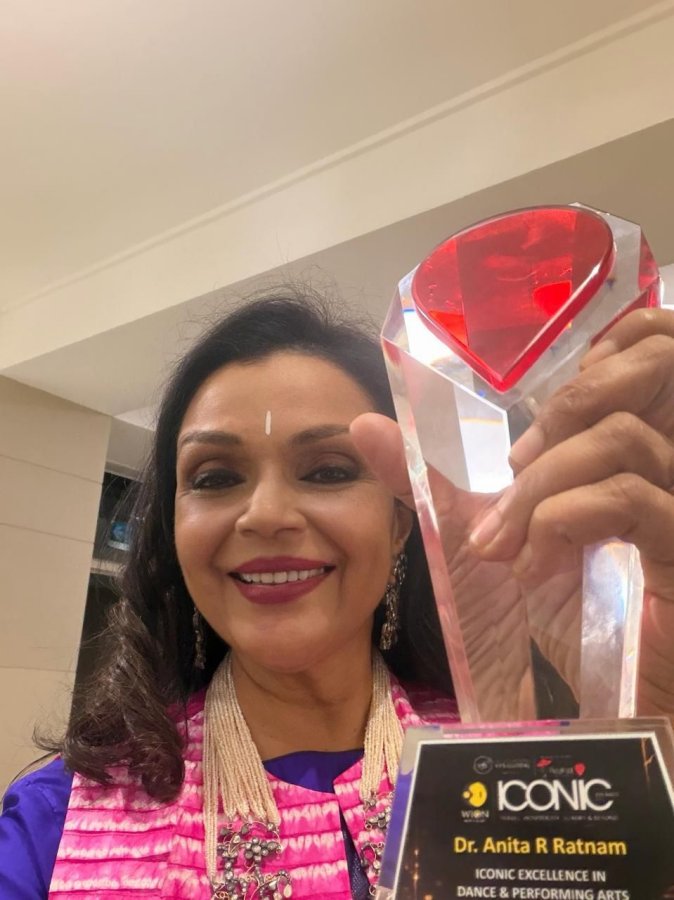 I want to share my surprise and joy at being chosen to receive the ICON AWARD for the Arts from the Tourism Ministry, New Delhi. Enjoy the onset of the festival season. Smiles everywhere, festive attire being readied, the weather changing and families once again connect. Until we meet again, Dr Anita R Ratnam anitaratnam.com Connect with us on Instagram and Facebook     Responses * On the Tyagaraja composition comment, the personal adoration and bhakti bhava which the composition must have been based on is indeed unknown to a Muslim so he can only appreciate the music of the composition. But the comment applies to anyone who does not understand the lyrics, whatever his faith! - Shailaja Khanna (Oct 4, 2026) * Thank you for mentioning Manipuri dance here. Despite the current troubles at home which make travel somewhat difficult, there are some groups who are performing around India, but I do not see them reviewed here. I have mixed feelings about this neglect. Although I wish for more appreciation of this precious art form, I also think that whenever Meitei Jagoi gains attention from the Indian mainstream, it is forced into the prevailing natyashastra mould and loses some of its true indigenous identity. Please attend some performances in Kolkata or Delhi, but while watching, take off your natyashastra glasses and appreciate this unique movement tradition on its own terms. Respectfully, Christel Stevens (Oct 1, 2026) Post your comments |
