
|     |
|
| |

ANITA SAYS..... July 1, 2026 NOTES FOR RADICAL LIVING Make friends with chaos Hold a calm mind Let things shake Forgive human frailty Champion second chances Defy unkindness Listen to the quiet Respect the young Look beyond the binary Be electric Sing into pain Find joy in shadow Dance daily From Instagram @onassis.stegi 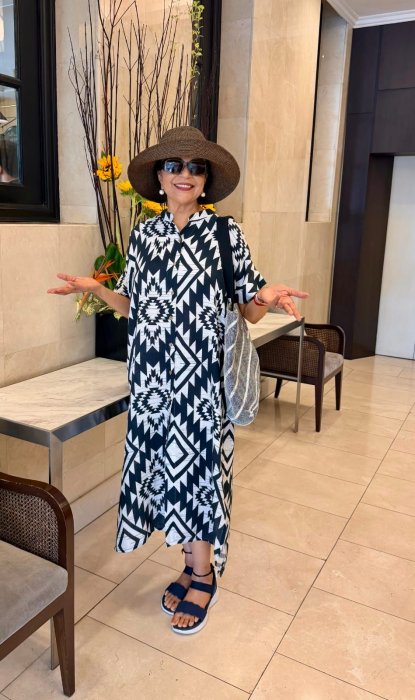 I write this month's thoughts from the cool of the mountains. Watching the mist shifting shapes and sipping a cup of Nilgiris tea. Taking long walks in silence and reading. Writing a script for a new work and recalibrating for the months ahead. It is that time of the year when sporting events abound. Amidst the summer outdoor dance and music festivals, my eyes turn to tennis (what else!) and the surprise that unfolded on the clay courts of Paris. Even though the sport has moved onto the Wimbledon grass, I want to bring your attention to a surprising event that took place just before the women's and the men's singles final matches. DANCE AT THE TENNIS COURT 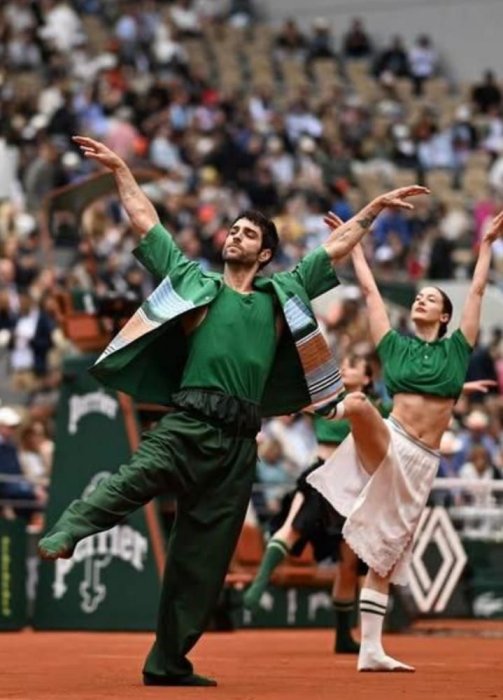 French Open 2026 tennis dance on court 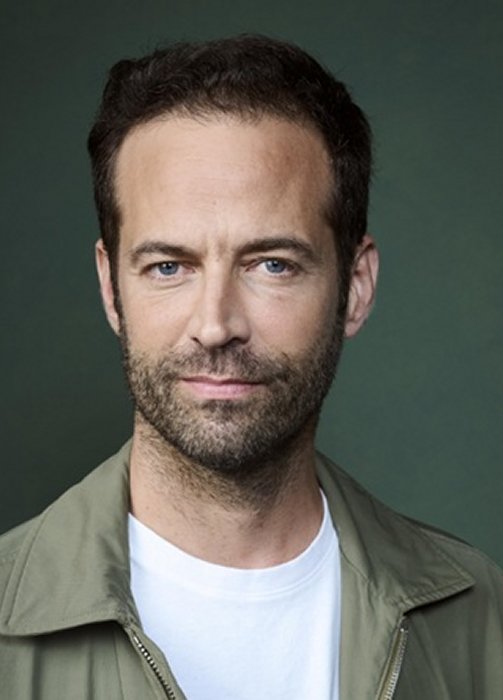 Benjamin Milllipied (Photo: Gareth Cattermole) A TIMELY REMINDER OF GRATITUDE Even as the world seems suspended in a surreal moment and geopolitics has invaded our everyday thoughts and discussions, there is so much to be grateful and positive about. It is so easy, in our vulnerable profession, to feel doom and gloom lurking just around the corner. Having just returned from a short trip to the USA, I was appalled at the sight of several drug fuelled "zombies" drooped over the sidewalk and trash cans in NYC, LA and downtown San Francisco. 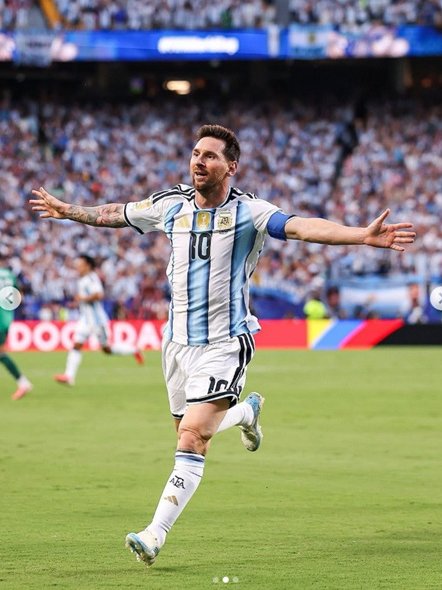 Lionel Messi 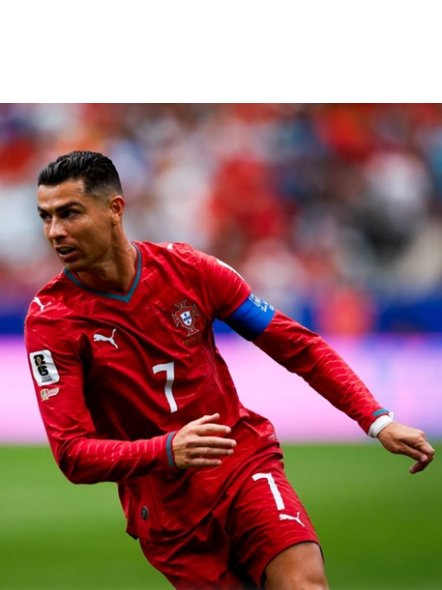 Cristiano Ronaldo As a stark mood contrast, thousands of European football fans had entered the USA to watch the FIFA Football World Cup. Their comments and reactions about America felt like a love story unfolding in real time. Social media was filled with compliments and applause for what the USA represents. The landscapes, food variety, stadium arrangements and the generosity of the American people. In the flood of so much unmitigated optimism, Americans have also started sounding positive and expressing gratitude about their country where so much has been taken for granted. Similarly, we should be reminded of how fortunate we all are to live in places that foster our creative juices. There is a lot to be concerned about, but there is also so much to celebrate. The surge of energy in the arts that is hard to ignore. Somewhere, I feel that the tide is turning - slowly, like a tanker with a large radius wheel. From boredom to cynicism, rays of hope and optimism are filtering in. 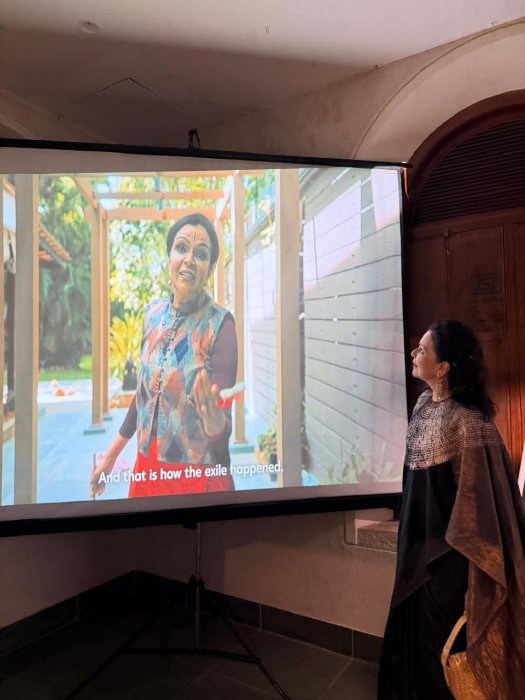 Watching the MASTERY short film Gratitude for the excellent series of short films in the series titled MASTERY that is currently streaming on SONY LIV. Featured alongside icons like Usha Uthup and Ruskin Bond, the crisp 8 minute film on my life journey is called A MOTHER'S DREAM. The lens focuses on the challenges of creating a singular path in dance and performance and what a tremendous impact my mother Leela had on my life and art. Watching the premiere found me with wet eyes and missing my mother's guiding hand. VARNAJALAM Dancers are noticing that audiences are filling spaces and staying until the end without fidgeting with their devices. I sat through 3 varied presentations of Bharatanatyam varnams in an auditorium that was not in Mylapore or Adyar. The hall was packed, tickets were purchased and everyone was attentive and generous with their applause. 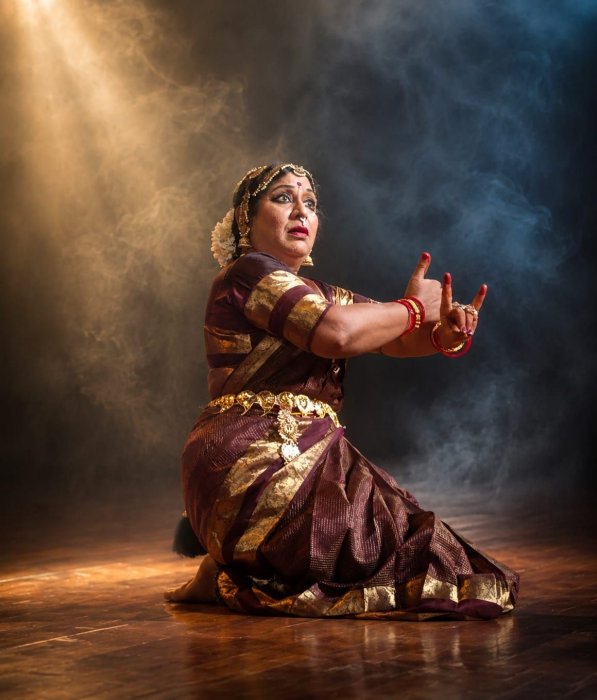 Narthaki Nataraj (Photo: Tirunavukarasu) In one evening, I was able to enjoy three completely different aesthetics of Bharatanatyam as presented by three remarkable dancers. Narthaki Nataraj performed the challenging SAPTA RAGA TALAMALIKA varnam NINAITODI by Ponnaiya Pillai of the Tanjore Quartet. She showed great maturity, marked improvement in her Nritta execution and agility and an overall patina of mature repose. Her quick flashes of Sanchari of Emperor Ravana playing the veena as an ode to Lord Siva and devotee Markandeya escaping the death noose of Lord Yama were crisp and adhered to the quick traditional time cycle of vintage Bharatanatyam. The varnams demanding arrangements of 7 jathis and 7 swarams were well mapped out and the dancer never flagged in her energy throughout the 45 minute varnam. 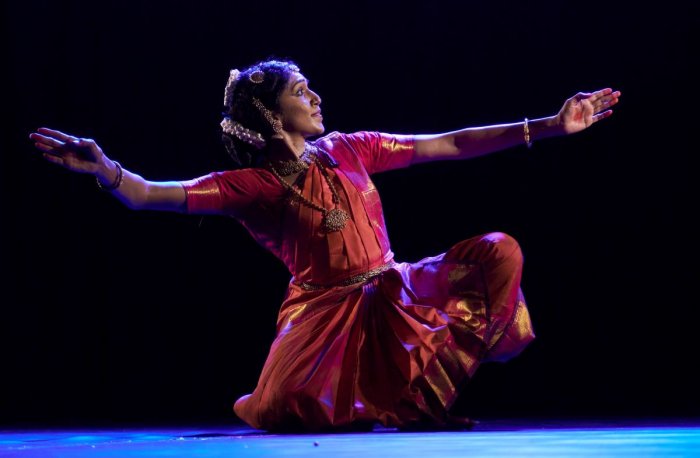 Karuna Sagari Karuna Sagari is the current sensation in Bharatanatyam. Her presentation was a Maharaja Swati Tirunal varnam - Dani Samajendra Gamini. In her explorations of Lord Vishnu's thousand petalled lotus, Karuna created a whirlwind of blooming petals across the stage, even as she marvelled at the calm demeanour of her 'Sakhi'. Exploring the analogy of an elephant, the strength and majesty of the mammal was illuminated beautifully. Every moment is never fleeting with Karuna. She dives in and squeezes every essence of the animal, bird or flower to its fullest potential. Razor sharp jathis, flawless spatial energy and unflagging stamina. Even her smiling dismissal of her own mistake during a fast paced rhythm sequence did not dim her obvious joy. 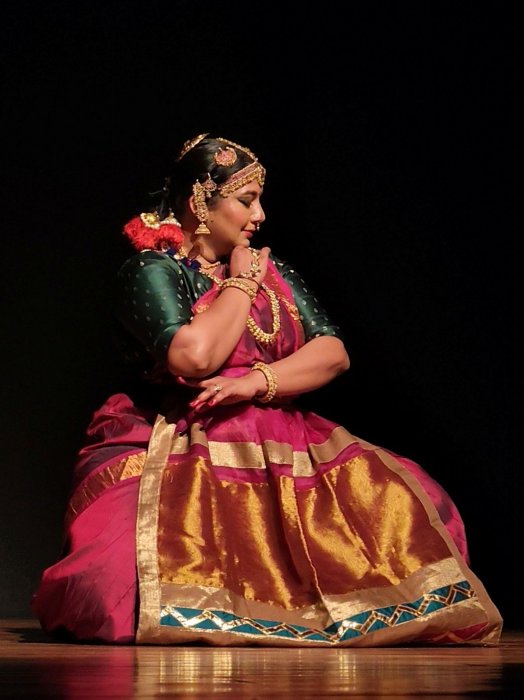 Swarnamalya Ganesh (Photo: Rakshi Rath) The third performance was by scholar/dancer Swarnamalya Ganesh. She is truly an outlier in the current Bharatanatyam scene, but has held her own space through rigorous academic practice, research and her own reading of dance history. Dressed in the vintage style of "sadir" performers of the late 19th and early 20th centuries CE, Swarnamalya was accompanied by an ensemble that included a harmonium - a staple in early versions of the dance form. This very contemporary Chowka Varnam from the 19th century, composed by Chinnaiyya Pillai of the Tanjavur Quartet, was in praise of Maharaja Krishna Raja Wodeyar the Third of Mysuru. NEE VANTI SAMINI explored the favourite hobbies of the king - playing Ganjifa (a Mughal card game), taking a photograph of his favourite courtesan and rifle shooting. To see Swarnamalya execute these very modern moments with ease and transition to a traditional flirty heroine was a delight. VARNAJALAM was a conception of Sriram Shankar, a passionate traditionalist and a Carnatic music aficionado. Over two evenings, 8 rare varnams were presented by some of the best Bharatanatyam dancers of the city. I missed watching Priya Murle and Meenakshi Chittaranjan due to my travel plans but hope that this event is repeated next year. The main takeaway for me was the variety in aesthetics from one style. The range of interpretations by dancers across generations to these historic compositions reaffirmed my faith in the form. 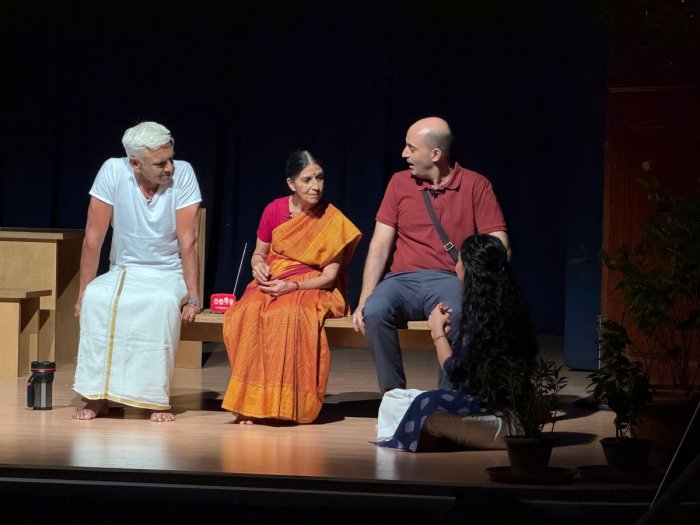 Janaki Srinivasan as Kamala (Photo: Gayatri Krishna) I also watched dance critic Janaki Srinivasan (Sruti Janaki) making her theatrical debut as the worried mother Kamala in a play titled MINOR DISTURBANCES AT GRAND LIFE APARTMENTS. Set in a Mylapore apartment complex in Chennai, the script that was adapted from a book written by Hema Sukumar, unveiled the everyday activities and lives of its many residents. Janaki played an anxious single mother, whose daughter comes out as Non Binary. Her initial shock and disappointment and eventual reconciliation with her only child was well acted. Janaki easily stole the show and the audience applause at her "theatre arangetram" was heartfelt. WHERE IS THE GLOBAL AURA FOR THE DANCER? 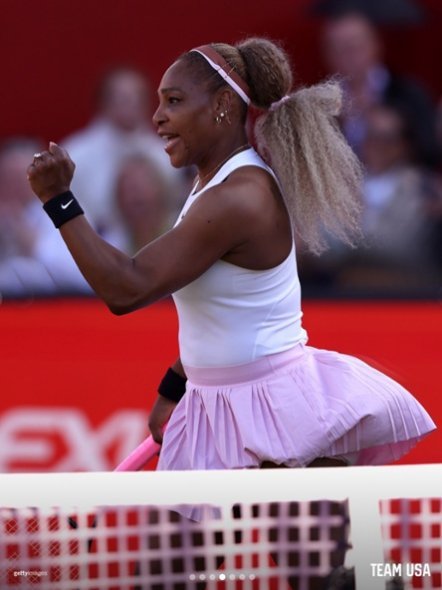 Serena Williams In the current summer season of sports, there is much discussion about the stars. In football, Cristiano Ronaldo and Lionel Messi are the giants of the game. In tennis, Serena Williams's return to the court and Novak Djokovic's push for Grand Slam 25 is dominating headlines. 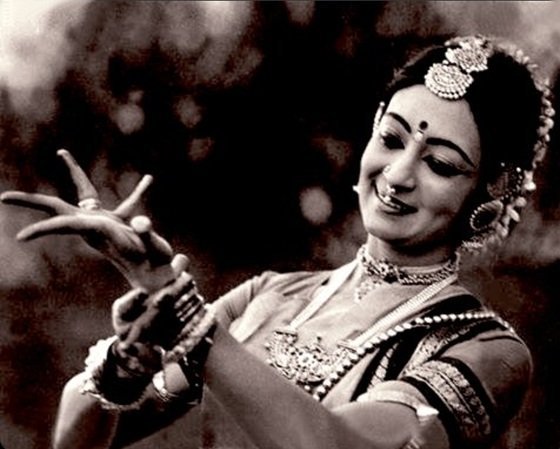 Sudharani Raghupathy In dance, the scene is much quieter. Watching Sudharani Raghupathy, the newly elected Fellow of the Sangeet Natak Akademi, seated quietly in the front row of VARNAJALAM, without photographers or fans, reminded me that we are fast losing the generation of dance stars. Unlike the current sporting heroes, whose lives both on the field and off are carefully curated by a team of professional image managers, dancers have mostly kept their private lives to themselves. It is not just about money and the financial heft that sports people command. It is about an aura that is carefully cultivated of a private life and the public aura that Dance and dancers do not have. The magic aura of Baryshnikov, Graham, Yamini, Nureyev are a thing of the past. Their public and private lives were the subject of so much talk and curiosity. Today, there is mostly only one side of the dancer that the world sees. The performer in rehearsal and on stage. A 360 degree capsule of the person and the artiste is rarely shared. SHIFTING TIDES It is with interest and delight that I notice an increased presence of arts managers and artistes on social media. Not talking about their projects or clients but calling out the huge gaps in the dance and performance eco systems in India. While there seems to be a plethora of opportunities for today's dancers with international grants, immersion weekends, workshops, collaborations, technique enhancement, mentoring opportunities and new venues being built all the time, the reality on the ground has still not shifted greatly. However, more and more voices are emerging that point to the anomalies and discrepancies in the world of professional dance in India. Too many festivals and very poor selection Gatekeeping of genuine emerging talent Lack of financial compensation to performers The Arangetram money racket Biased reviewing or non reviews Dancing for free Dance musicians fleecing dancers Lack of rehearsal spaces Paying organisers for a performance opportunity Venues that do not factor the performer's needs Are these issues new? Have these potholes emerged only recently? Has nobody noticed them earlier? Are these comments and observations radical and ground breaking? The answer is a simple NO. Not really. Some of these problems existed even during my prime dancing years. New challenges have emerged and are rapidly compounding. My generation has ploughed through decades of bad stages, poor lighting, horrible backstage facilities and savage critics. Our mothers were our managers and agents. Today, dance companies in India have hired a manager, a producer and an events team. The articulation is smarter for the same problems. There is much talk about "Creative Economies." The common grouse is lack of funding for the dance arts. For this, I ask you to look at what is happening now in tennis. The world number Ones - Jannik Sinner and Aryna Sabalenka - have stepped up to talk directly to the tournament organisers about greater profit sharing from ticket sales and for the Apex Tennis body to contribute to the welfare fund of senior and ageing players. In dance, just writing long articles about the anomalies in the dance eco system has to be actioned by senior people talking directly to the festival and programme organisers. We must involve curators, magazine editors, arts managers, funders, corporates, festival directors, dance academics and writers also in a dialogue. Dance teachers, students and their parents must also be included in what is obviously a system that is totally rigged against the performer? We must try to erase the donor-recipient mindset that built bureaucracies, institutions and careers. All stakeholders have to learn to walk together and not just alongside one another. Even as I am writing this, there are more and more dance artistes who are forging ahead having found a foothold OUTSIDE INDIA. The weakening Indian rupee makes leaving India for 6 months a year more and more attractive. Earning overseas and funding one's dance practice and lifestyle in India looks like the only economic model for an independent solo artiste. There are numerous grants available for performing artistes, but the gatekeepers want mostly contemporary dancers. Famine, race inequities, war, chaos, identity crisis, gender bias, faith collisions, environment are the buzz words of the day. Traditional norms of beauty and adornment are shunned. Ornamentation is cancelled. Show up as a brown body - disheveled and "raw". That brings a smile to the funders. And a grant. Don't get me wrong. I am NOT totally cynical and weary. I still retain hope and enthusiasm for dance and the live arts. I notice the enormous energy in the field despite every pressure to just give up. Dancers are among the most resilient and determined. Even as some unsightly performances are seen gyrating to Shakira's World Cup anthem, I continue to hold out hope for dance in India. I really believe that solutions can be found outside the crumbling system and that performers, audiences and spaces CAN work together to sustain and nurture dance in India. DANCE FOR STATE VISITS 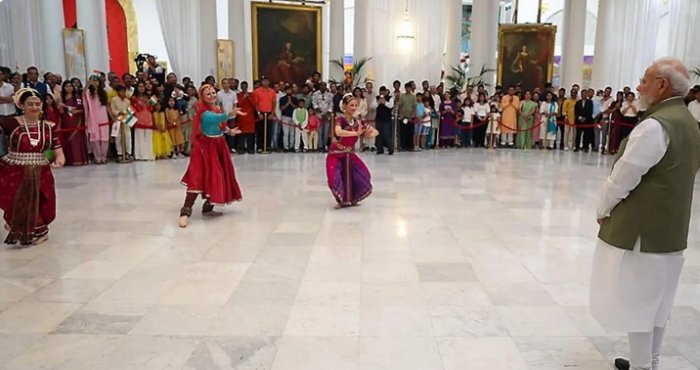 PM Modi in France (Photos courtesy Mid Day) On a final note, did you notice the number of international trips taken recently by Prime Minister Narendra Modi? On each visit, a bevy of classical dancers greeted his presence. From diaspora artistes to non-Indian performers, the PM watched Bharatanatyam, Odissi, Kathak and Manipuri on each visit. The only fault is that the performances were staged in entrances, lobbies, and casual spaces, thus diluting the framing of the art form. 50 years ago, India's top performers would accompany national leaders as part of the cultural entourage. Now with the growing diaspora and the global popularity of Indian classical dance, talent is present in every country. Just goes to show that classical dance as India's SOFT POWER is very much alive and well. THE POWER OF A GESTURE 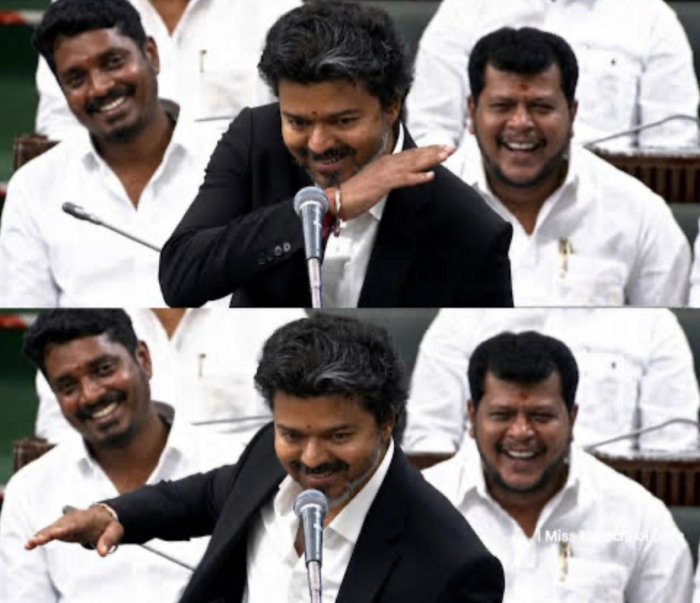 Tamilnadu CM Joseph Vijay I cannot NOT mention the use of a dance gesture that has gone viral when used by a film star/politician. It was the PATAKA, the single hand gesture that appears at the start of the classical dance lexicon. PATAKA has so many uses - You, Me, Stop, Flag, No. When used in the Chennai Assembly at the end of the Chief Minister Joseph Vijay's maiden speech, it created an uproar. His party cheered and his fans applauded as they watched the live proceedings on their screens. The CM used the "pataka"-like gesture to indicate A CLEAN SWEEP / WIPE THE SLATE/ FINISH THE OPPONENT. This "performance" was intentional and aimed at the opposition. The image has since gone viral. PATAKA has now taken on another avatar! Ending on the metaphor of sports, India is finally making huge strides in areas other than cricket. Rowing, gymnastics, volleyball, fencing, athletics has seen youth power and energy on the rise. I hope for a similar burst of energy in the performing arts sector. The spirit to compete and the grace to do your best and walk away no matter the result, are the lessons artistes can learn from sports. As performers, we must take that fierce spirit of determination and dedication into the studios and beyond. It is Martha Graham who said, "Dancers are the athletes of the spirit." 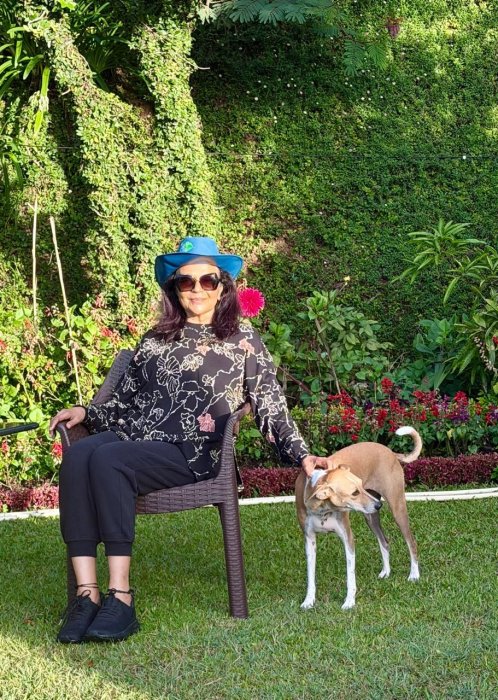 At Coonoor Am returning to gaze into the misty mountains and take long walks with my dogs. Am hoping to be inspired by a change of scenery and quiet to plan a new work after years. Hoping that the month of July finds you all well and hopeful. That your travels take you to beautiful places and that you never stop finding ways to learn and grow. Until we meet again. Dr Anita R Ratnam Conoor, Nilgiris anitaratnam.com Connect with us on Instagram and Facebook     Post your comments |
