|     |
|
| |

ANITA SAYS..... Dec 1, 2025 If your heart is a volcano Then how can flowers bloom? - Rumi  The month of November has gone by and we are at the end of the year! It's December and all of India is buzzing with so much dance, theatre, music, visual art, installation and outdoor events - this is really the time to be in this country. Not just Chennai, but every city is dressed up and throbbing with multiple events every single day. For dancers, it feels like we need a 360 degree spiral of our head on a stick. Everywhere we turn there are performances and premieres. Festivals, conclaves, conferences - name them whatever you choose to but the energy is there - vibrant and hopeful. It is a wonderful time to be a young and ambitious dancer. So many opportunities and so many openings for collaborations and cross cultural understanding. It is totally up to the individual artiste to seize the moment. The month opened for me with an ambitious 3 day event in Chennai called MAHAL to mark the tenth anniversary of the DEVANIYA KATHAK ACADEMY. Founder and Artistic Director Jigyasa Giri explained her approach to the teaching and even the naming of her Kathak style - DAKSHIN KATHAK. 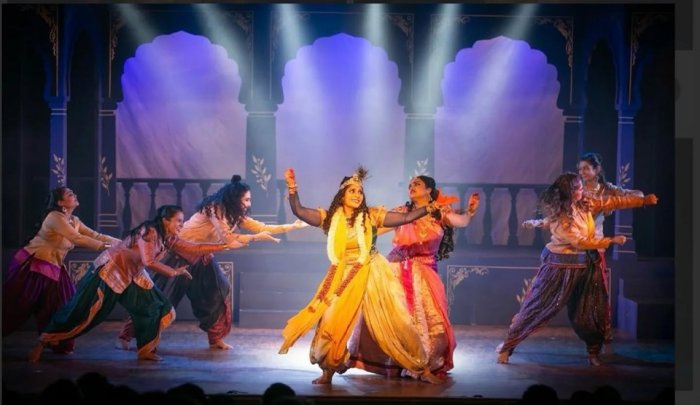 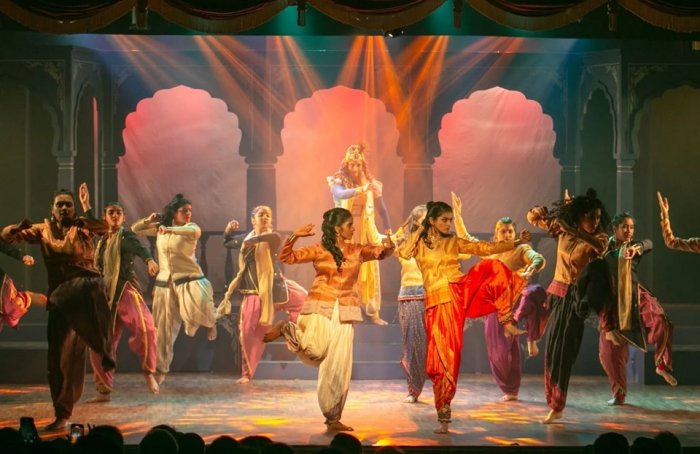 Devaniya group What is DAKSHIN KATHAK? A North Indian form that took root in the environment of Chennai and grew from that geography? What does it contain in terms of style, content and intention? Jigyasa Giri, student of Guru Maya Rao and Guru Krishna Kumar Dharwar, spoke of her decade long journey to transplant the seeds of Kathak in southern soil. Starting with classes with her guru and then teaching her daughter Avni, Jiygyasa has grown her DEVANIYA KATHAK ACADEMY to over 100 students and a loyal following of parents and a distinct North Indian community in Tamilnadu. To distinguish her approach to a North Indian dance form, she decided to frame it with the umbrella of DAKSHIN KATHAK. Jigyasa's retelling of the early years was riveting. Even obtaining the special strings from Kolkata for the Ghunghroos was a search. She then trained herself to tie the multiple rows of bells (which came from New Delhi) and now there is a community of Nepali women who prepare the Kathak ankle bells in Chennai. A 3 day festival titled MAHAL, to mark her decade long professional presence in the city, brought together several dance teachers, scholars and rasikas at the Krishna Gana Sabha premises. 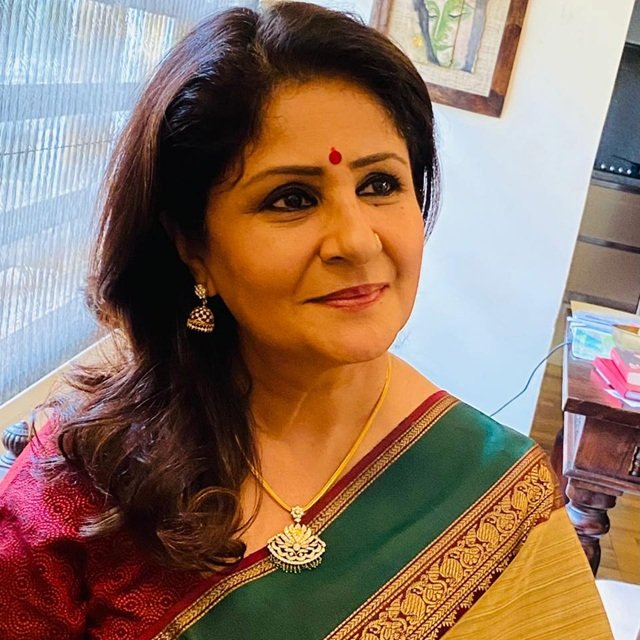 Jigyasa Giri 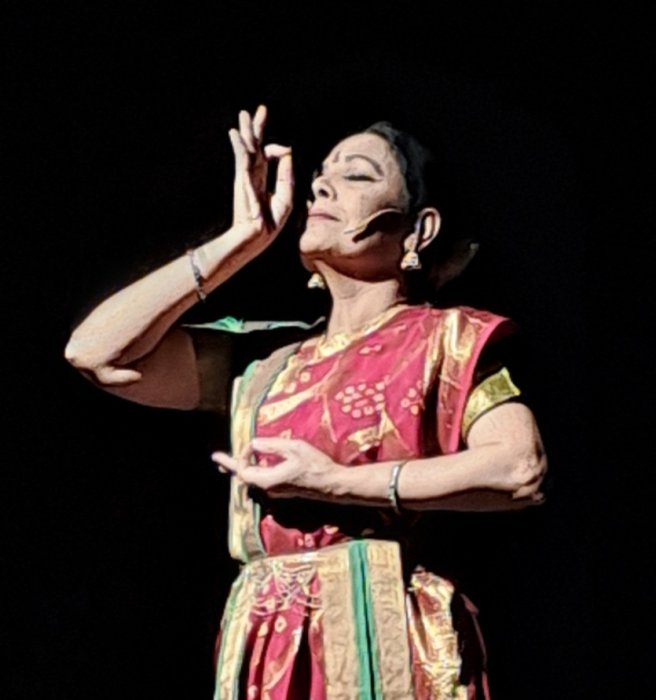 Ramaa Bharadvaj in Avatarana One morning was devoted to sharing by senior gurus about their own journeys in Bharatanatyam, Kuchipudi and Kathak. Ramaa Bharadvaj's performance AVATARANA was an expected hit with her signature humour couching the interesting anecdotes of dance history. There were many other speakers and the largely student audience received the multiple inputs, stories and sharings with respect and interest. My own sharing was about the digital medium and the many challenges and opportunities it presents. It can ruin mental health or promote a talented dancer's career. It is a way to earn money and project a totally fresh way of seeing the dance art. However, I am from the analog world, old fashioned in the way of wanting to see the live body in its full three dimensional beauty and vulnerability. To have the human form reduced to an ant size of a few inches and imagine what a cleverly edited 30 second clip can truly convey of the dancer's ability does not interest me. However, I also acknowledge that I am in a true minority. I also acknowledged in my various talks last month that social media has democratised the world. It has dissolved boundaries and smashed many gatekeeping endeavours. It has revealed interesting nuggets of information and introduced fascinating people and places. In fact, when we speak of the PANCHA BHOOTA, we have the FIFTH ELEMENT in this sphere. Not Ether - the world that explodes in the palm of our hands. At the MAHAL event, it was interesting to see a totally different kind of dance audience. Many young faces, mostly not South Indian, and a large component of Kathak students, parents and friends made up the crowd. I have known Jigyasa as a very young girl for several decades, much before she morphed into a loved and respected Kathak guru in Chennai. Her dedication and more importantly, her students and team who were meticulous in planning every aspect of this 10 year anniversary of DEVANIYA was truly commendable. PUSHING THROUGH PAIN 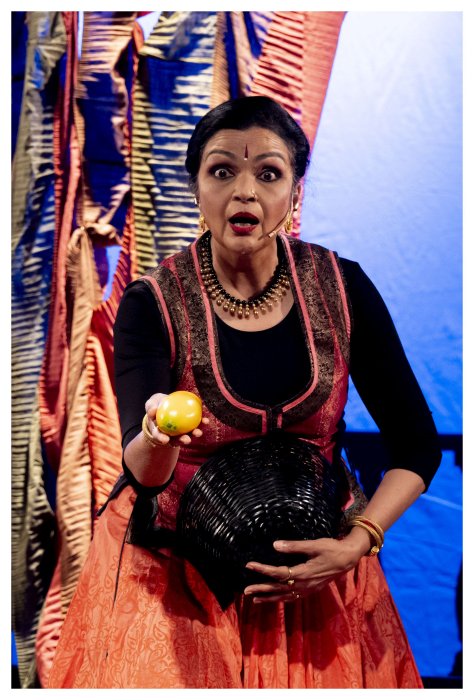
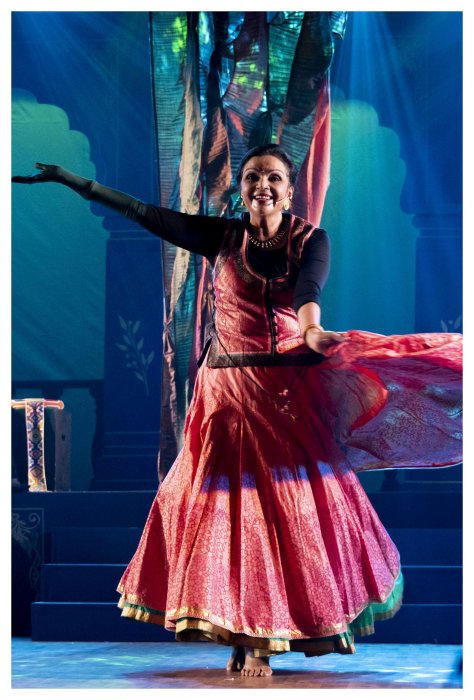
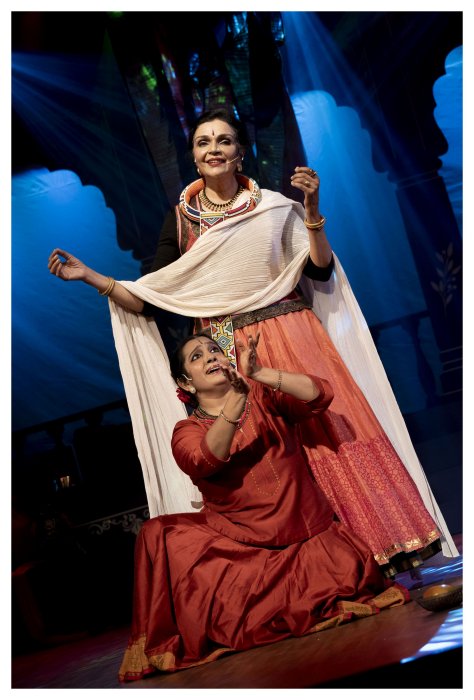
When a beloved and popular production lives beyond a decade with several performances in different countries, it is time to think about what it takes for the actor/director/choreographer to keep the words and work fresh each time. I am talking about A MILLION SITAS, which was created in 2012 as a Sabha friendly work. Live orchestra seated behind me. Someone reading the text and filled with Bharatanatyam swaras, jathis and nritta passages. Since then, the show has morphed into a full-blown theatre presentation with a brand new script, additional props sourced from several Asian countries and the Global South. With the Ramayana being ever so present in all the minds of Indians, the work is ripe for constant updating. So, when two invitations arrived, back to back, in two cities, it was a chance to truly return to the source and look at every aspect. Working closely with co actor and singer Uma Satyanarayana and multi percussionist Aswini Srinivasan, we mapped out a closer collaborative process where everyone were invested in the production. Backstage support was given by L Subhasri and Victor Paulraj, who have been with me for 30 years. While I was not at my 100% best for both shows, recovering from a severe viral infection, I enlisted the help of my trusted wellness professional to get me through the performances. I thought about how stubborn and focused we dancers are. Medical professionals are constantly amazed at our determination to push through pain and discomfort to honour commitments. I have always said that dancers are a living, walking archive of will power and glorious energy. What we can do never ceases to amaze the world. Doctors are simply unable to comprehend our emotional stamina and capacity to withstand pain, obstacles and still function. May our tribe always thrive! OPERA MEETS INDIAN DANCE 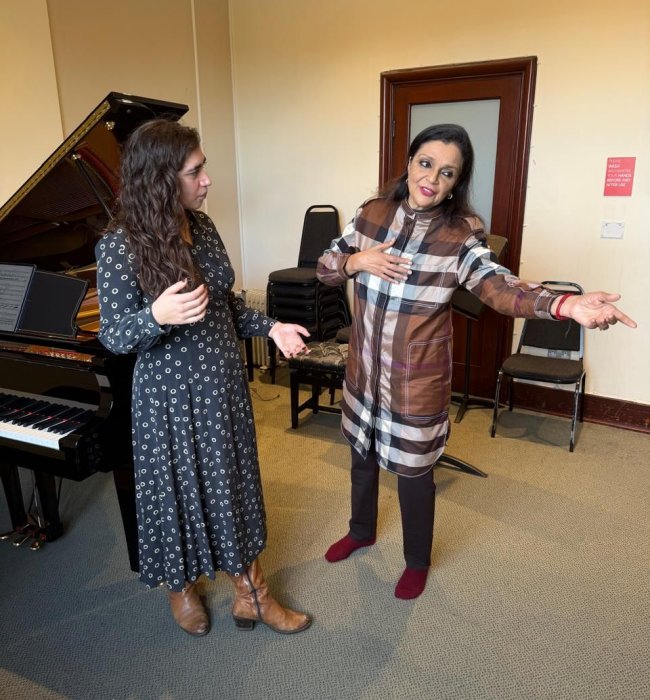 In London for a few days, I worked with talented operatic soprano Maya Colwell. I have always loved opera as a genre and this invitation was too tempting to resist. Listening to Maya singing in her gorgeous full-throated voice replete with "abhinaya" gave me the opportunity to ease her into simple movement and gestures within her comfort zone. The pace and rhythm of opera when combined with the classical piano (Daniel Silcock) creates a unique sound palette. Both instruments - voice and keys - are soft and rounded and so movement choices were made in the Bharatanatyam/creative choreography space to sync with both tonalities. This collaboration is for the aid of a women's welfare project in Maharashtra - the MA FOUNDATION which is focused on helping to rehabilitate abused women from very humble backgrounds. The show is titled BELCANTO MA. Mandolin, piano, Carnatic and folk music meet Bharatanatyam at Mumbai's magnificently restored Royal Opera House. UK SUPPORT FOR ARTS EDUCATION While in London, I caught up with some dancers who shared the many possibilities that Indian dancers were taking advantage of in the scenario of vanishing grants. Several well-known dancers and dance companies have lost their funding while other independent artistes have plunged into the outreach venues that are sustaining them. Dance for Parkinsons, Dance for Autism, Dance for Seniors, Dance for Mental health - the avenues seemed so varied and interesting. Kathak artistes were teaching dance therapy in swimming pools! It seemed like the UK was championing Arts for Social welfare in the midst of its growing economic problems. At least professional dancers are able to use their training and enter into new and unknown territories. 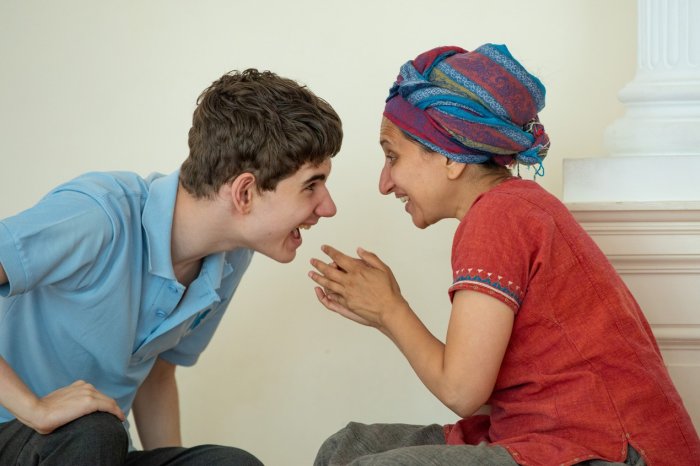 Anusha Subramanyam 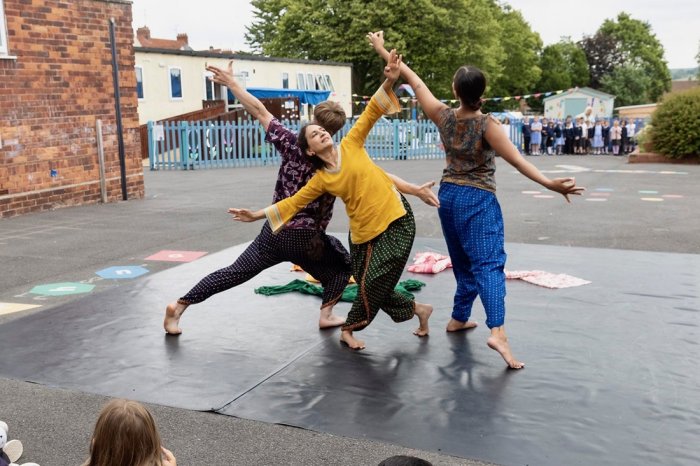 Choogh Choogh (Photo: Vipul Sangoi) I watched some footage and photographs of Anusha Subramanyam's works. Collaborating with her photographer husband Vipul Sangoi for the past 3 decades, Anusha has worked consistently in dance outreach and created FROM THE HEART 2 decades ago for the specially abled children in UK. Now her hugely popular CHOOGH CHOOGH is travelling the country with over 200 performances. Inspired by the joy of train travel in India, Anusha's connect with every generation and her willingness to include every dancer of various styles, both classical and contemporary- has endeared her to funders and artistes. Her street choreography with Bharatanatyam and Kathak dancers in sneakers in the London cold was an interesting visual. Dancing underground in the London tube stations was also very well received. Ebullient and forever positive, I always leave after a visit with the Anusha / Vipul couple filled with hope and wearing a big smile! CURTAINS FOR AKRAM KHAN DANCE COMPANY 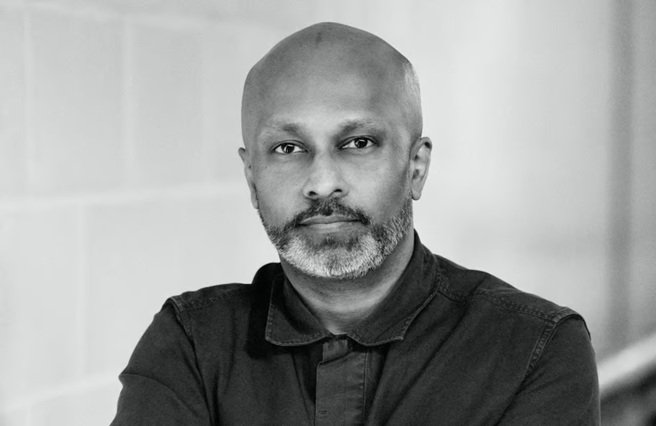 Akram Khan Almost everyone was talking about the closing chapter of Akram Khan's dance company. A powerful and hugely successful choreographer and performer, Khan was bringing down the curtains for his multi cultural dance ensemble with THIKRA, a night of remembering. Several dancers who watched the London show came away disappointed. The dim lighting and joyless dancing were among the main reactions. The talented Bharatanatyam dancers were used as props like the Greek chorus while swishing their unbound and uncombed hair as the main motif. German choreographer Pina Bausch has used this metaphor years ago and US President Donald Trump was greeted in Qatar with a corridor of women swishing their long hair as a greeting. THIKRA as the final hurrah for the Akram Khan Dance Company is an interesting choice. Akram Khan, trained in Kathak, started his career as a solo dancer and ends his phenomenal career with a cast of Bharatanatyam performers! While the exact reason for this decision is not clear, it is evident that Akram Khan has many more years of creativity and his own daring vision will be in great demand. It takes clarity and courage to end a successful pattern and bring a dance company to its final closure. Thank you, Akram Khan, for the brilliant productions you have created and shared with the world. You have shown that dance can ascend and conquer international stages and move audiences the world over. PERSONAL DIARY AS DANCE I also made the trip across the waters to NYC for a few days and was able to attend the premiere of LESSONS FROM MY MOTHERS by Sonali Skandan. The work was a powerful exploration of immigration and belonging. Sonali Skandan, as choreographer and artistic director, has spoken of how difficult and challenging it was for her mother and aunts when they immigrated to the USA in the 1960's and 70's. I was also an immigrant at that same time and it was a very challenging time when communication and resources were scarce and quickly adapting was the only way to survive. Sonali's own aging mother was the catalyst for creating this work from a recipe book that was in the family's possession for decades. The notes on the side of each page when certain ingredients were unavailable were quickly substituted with what was locally available. This method of never stopping for finding a way to move forward through cooking became a blue print for Sonali and her sisters. 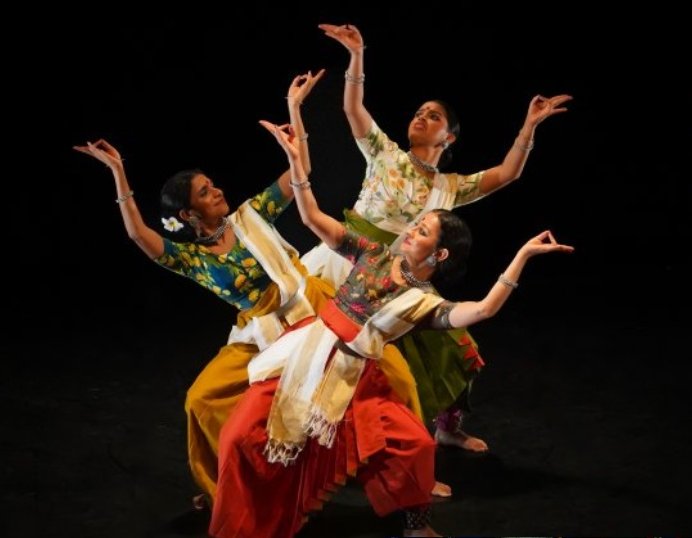 Lessons from my Mothers (Photo: John Braile) With Bharatanatyam as the spine of the evening length work, LESSONS FROM MY MOTHERS created the classic tension of PUSHME-PULLYU. A beautifully expressed phrase by writer Kamini Dandapani who was also at the premiere which was held at the GIBNEY DANCE STUDIOS in downtown Manhattan. First generation immigrants and their emotional tussle with what was the concept of "home" in another soil infused the choreography. Carrying mini suitcases as remnants of a bygone era, Sonali accompanied by dancers Ritika Ashok and Aparna Shankar, created a convincing template of shared sisterhood. Her mother's sarees provided a backdrop and the soft, faded silk also bore the warp and weft of a life negotiated on her terms. These personal diaries are becoming more and more apparent as classically trained dancers search for fresh ways of expressing themselves through training. However, I have also observed several excellent dancers using their voice during shows without thought or training. These new interventions cannot be casually inserted without proper rehearsal and end up looking odd or unconvincing. Just because one is a well-trained classical dancer does not mean that the voice - which is also a performer - needs no training. KAPILA VENU IN MRICCHAKATIKAM 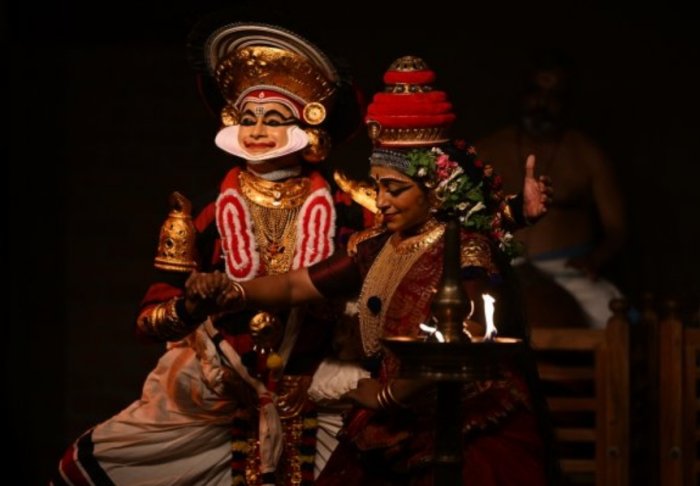 Sooraj Nambiar & Kapila Venu This 5th century CE Sanskrit play was adapted to the Koodiyattam form by scholar G Venu. A strong feminist, he has always sought plays that amplify and illuminate female roles. In this version that I watched at the Bharata Kalakshetra auditorium, the main role of Vasantasena, the glamorous courtesan, was played by Kapila Venu with her brilliant restraint. However, for a change, Kapila was not the centre of attention in the 3 hour presentation that was replete with humour and drama. The cast of characters were each excellent and the finale was especially moving. In a seminal moment where only men would perform the concluding ritual, it was Kapila who, for the first time performed the epilogue with elan. Then, in an intensely moving ritual, she removed her ceremonial head dress as the central character and held a flame in her hand to bless the actors and the audience who had assembled. It was a reminder of why we make art. The moment of quiet sanctity that we hold within ourselves. Away from the noise and the bluster of grand standing opinions. TEMPLE TRADITIONS AND KAISIKA NATAKAM 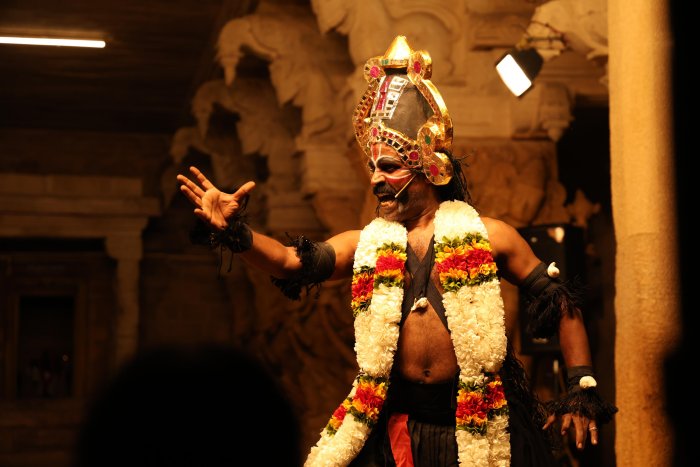 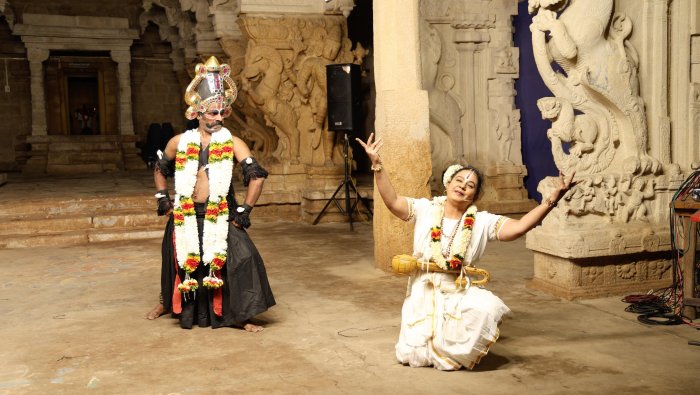 Kaisika Natakam (Photos: Aryaman) I close the month with my annual pilgrimage to Tirukurungudi and the 27th revival performance of KAISIKA NATAKAM, the all night ritual theatre performance at the Vishnu/Nambi temple. The small village throngs with devotees, many who travel from overseas and many places in north India. The now familiar story of the humble bard NAMBADUVAN whose soulful voice pleases Vishnu and with whose blessing the bard is able to humble the fierce and dangerous BRAHMA RAKSHASAN. The legend is so popular with the townsfolk and young children can be heard mouthing the dialogue as the play unfolds. Over the years, we have seen many actors from traditional families play the key roles of Lord Vishnu Nambi, the devotee Nambaduvan and the fierce Brahma Rakshasan. The story endures, the actors immerse themselves in the role and the ritual continues. To have been an important part of this revival has been a gift. To return to the village, to see the smiling faces of the residents who know me for 3 decades or more and to have their trust and affection is no small thing. I wish all of us could return to simple lives at least for one week in a year. It is a real emotional and physical detox! LALITHA VENKAT AWARDED 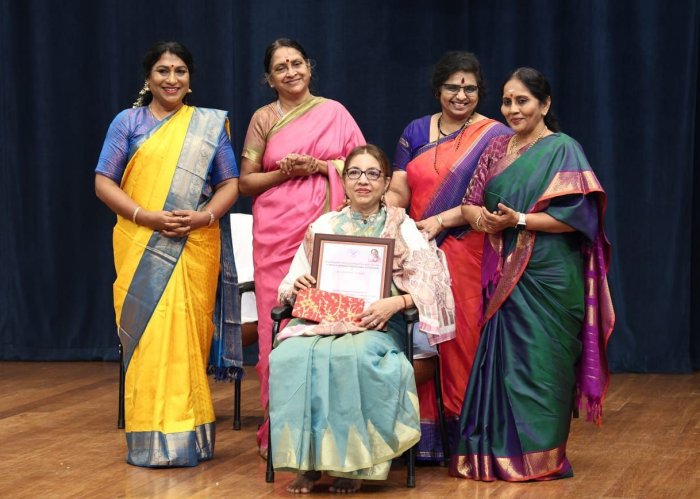 Lalitha Venkat (Photo: Iyappan Arumugam) Forget the tsunami of shows lined up for the season! There seems to be an equal number of award programmes that are unfolding in a dizzying pace. Our Content Editor, Lalitha Venkat, was honoured by choreographer Anitha Guha's BHARATHANJALI TRUST for her sterling service to the arts via the NARTHAKI.COM portal. We are thrilled with this recognition and wish Lalitha every success in the years ahead. And to think that Lal-ma as she is referred to by so many dancers, joined our organisation in 1995 with little or no knowledge of the dance world! Now she has names and details of dancers on the tips of her fingers! A CENTENARY CELEBRATION 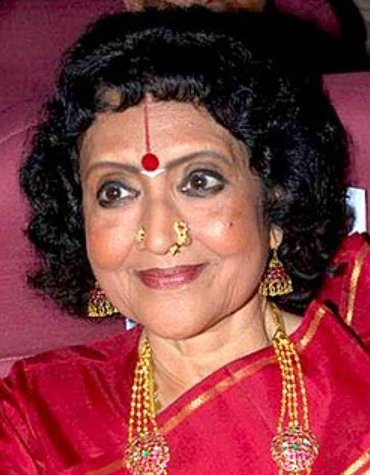 Vyjayanthimala The grand old lady of culture and education Mrs Y G Parthasarathy's 100th birth centenary was celebrated in a grand affair at Bharat Kalachar, Chennai. "Rashmi aunty" was a force of nature. She created the cultural wing of her school and featured the best of the best in classical dance at her December festival. This year, the highlight will be the glorious Vyjayantimala in tandem with actress Shobana on December 25. Now THAT is a ticket that everyone will want! A TRUE DANCE ICON PASSES 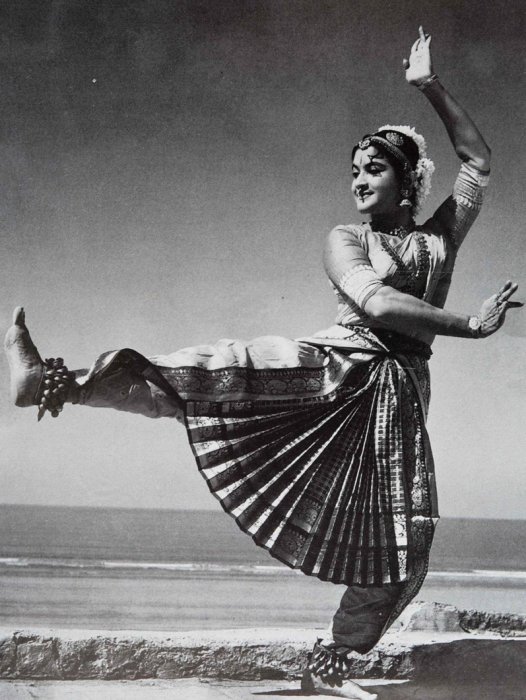 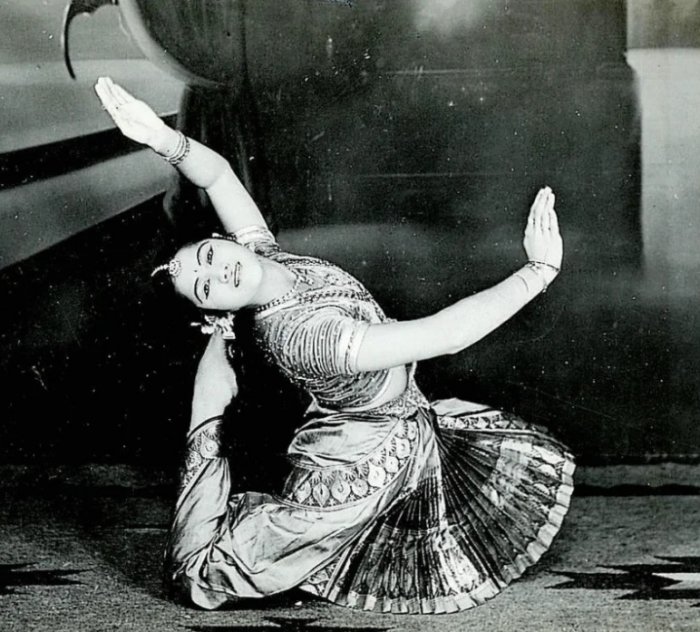 Kumari Kamala It was her and her alone that launched thousands of young girls to learn Bharatanatyam. Kumari Kamala was a trailblazer, navigating cinema and stage with such confidence that films ran solely on her Bharatanatyam solos. Her presence, energy and charisma were so compelling that every mother dragged their willing daughters to dance class. As did mine. It was Kamala that we all wanted to become. Kamala's stamina, sense of balance, quicksilver footwork, unflagging energy - every move she made was magic! And now she is no more! Even though she left India for the USA decades ago, sad and cynical, my generation have never forgotten her. I met her in Cleveland years ago and she advised me to return to dance in the fullness of when she saw me as a teenager. To imagine the world without her sparkling column of pure energy and brilliance is hard. May her "atma" be at rest knowing how many she inspired to dance! And so, it is December. Chennai is not the sole owner of the Margazhi arts season. There is London Margazhi and Mumbai Margazhi. Now the Bay Area is having its own Margazhi. A great way of marking this special month with dance, music and celebration. As for Chennai, my home town, we are bracing for the onslaught of dance, music and much more. As the city prepares to host and present more than 2000 shows in 45 days, I just want to NOT watch another barrage of MOHAMANA varnams. Last year it was this same composition that all dancers seemed to choose. What will it be this time? My beloved ANDAL returns in several versions of her life and poetry. Watch out for brand new merchandise carrying her iconic images which are sure to be snapped up by everyone. Bring out your silks and best outfits. The weather is kind, the atmosphere joyous with smiles everywhere. Welcome to the city that meets the ocean that meets the world. Let the drums roll, the bells dazzle and may the energy and rhythm enthrall you! Enjoy Margazhi, Christmas and the start of a brand new year! Find new ways to ring in 2026, perhaps be part of the new rage of Bhajan Clubbing that is sweeping India! See you all on the other side! In 2026 - the Chinese year of the HORSE and the United Nations year of the WOMAN FARMER! Anita R Ratnam anitaratnam.com Connect with us on Instagram and Facebook     Responses * Your newsletter is ever so articulate with a beautiful round up of Mahal! That last line about students of devaniya filled my heart with happiness. Thank you so much!! Mahal wasn’t a celebration of Devaniya’s 10th year. We just completed 16 years infact. But Mahal happened when it did only because the universe felt ready for this long waiting dream of my heart. Beyond Mahal, your entire piece was filled with dynamism and information about dance events around the world, and truly captured the essential spirit of a dedicated dancer, you yourself being an inspiring example of strength, determination and commitment. Many thanks again for the eloquent round up of Mahal 2025 and for the amazing platform that narthaki.com is🙏👍 - Jigyasa Giri (Dec 7, 2025) * What a lovely sum up of events! Thank u, akka, for giving us a glimpse into the global dance and art world. - Uma Sathyanarayanan (Dec 3, 2025) Post your comments |
