
|     |
|
| |

ANITA SAYS..... August 1, 2026 There is something in dance that regulates you, Allowing you to express your feelings as you move. You can find anger and love, joy and grief The novel and the mundane - All in one song - Safak Timur, New York Times reporter 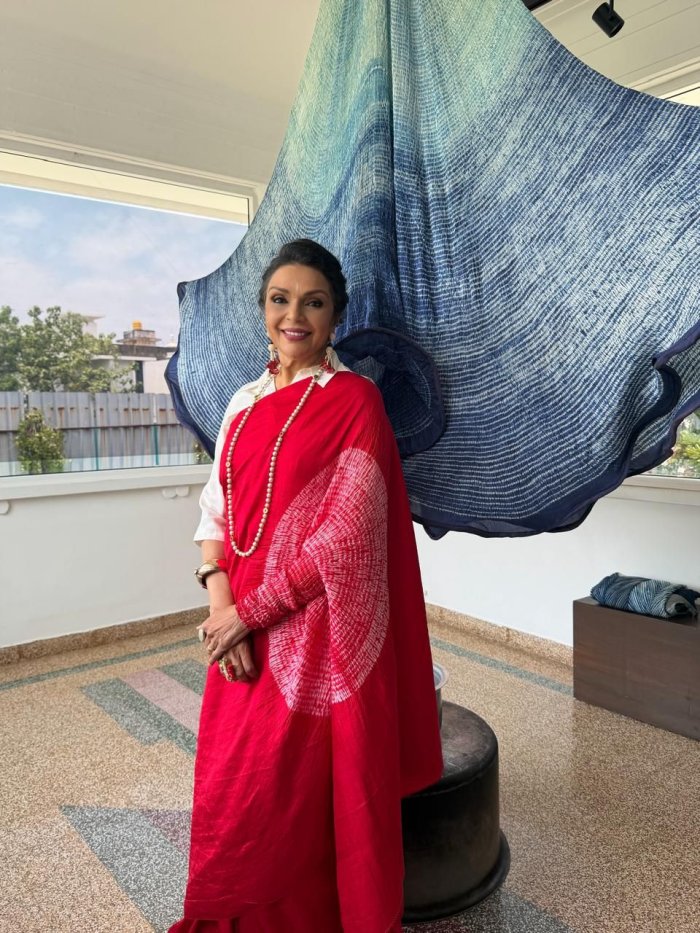 July has been 31 days of ceaseless unrest. Ablaze with arguments and heated rhetoric about issues of representation and race swapping. About translations, cinematic liberty and appropriation. The rumble became a roar with the student unrests in India that started in with a leaked examination paper and the subsequent student protests in New Delhi has rocked the government and the ripples continue as I write this monthly message. REIMAGINING THE CLASSICS 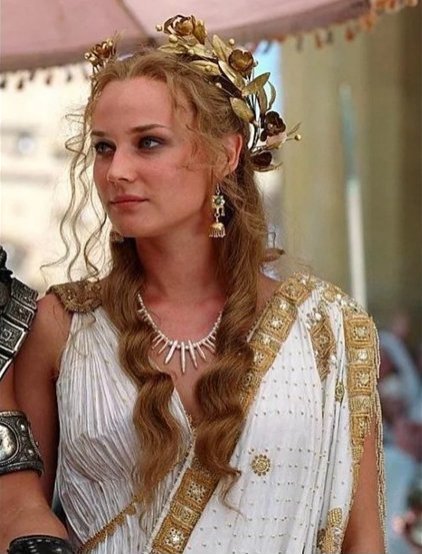 Diane Kruger as HELEN from the film TROY 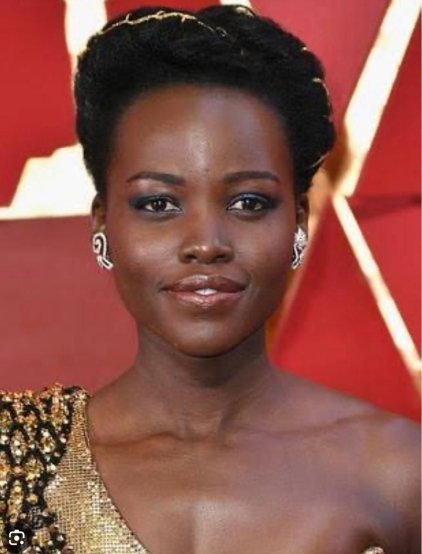 Lupita Nyong'o from the film ODYSSEY 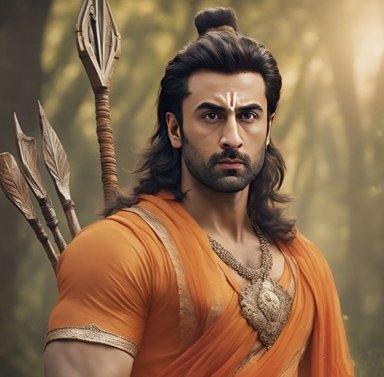 Ranbir Kapoor as Rama 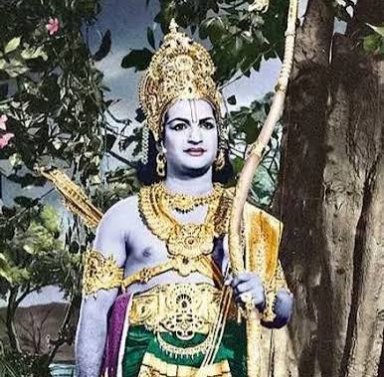 NT Rama Rao as Rama In contrast, yet another version of THE RAMAYANA is hitting the screens with extensive AI usage and grand spectacle as the foregrounding. Kannada actor Yash as Ravana and Bollywood actor Ranbir Kapoor as Rama have already ignited interest and debate. As performers, we have inherited not just one version of this ITIHASA, but 3000 accepted versions of this beloved story to literally play with. While nobody has attempted to gender swap the main characters, there is enough interest in the main storyline to throw up multiple interpretations. In summation, THE ODYSSEY and THE RAMAYANA do not function as entertainment. While there are so many similarities in the sweep of the story - abducted queen, the stringing of the bow, the journey across the oceans and the challenges enroute - both texts represent the moral universe of the Greeks and the Indians. They force us to think about the values of justice, courage, loyalty, hospitality and excellence. The values that animate these classics of Western and Eastern civilisation are sometimes similar but not interchangeable and do not always adapt well to today's lens of diversity and social justice. 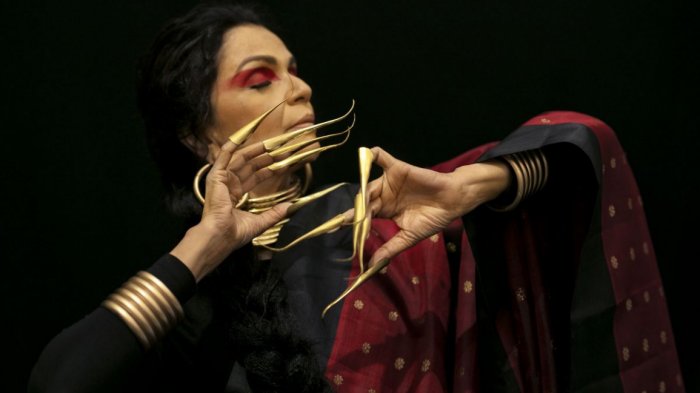 As Surpanakha in A Million Sitas Pic courtesy: Kanakavalli 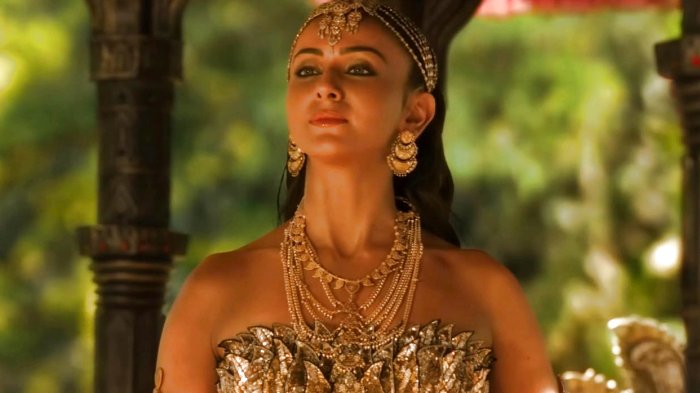 Rakul Preet Singh as Surpanakha from the film Ramayana As someone who has spent 3 decades in reimagining the women in our ancient stories, the powerful and beautiful imaging of Lankan Princess Surpanakha in this latest version is a delight. Over time, Surpanakha has become a trope and a meme for women who are shrill, bad looking and plain nasty! Pre-release buzz is positive and my mind rewinds to my youth when Telugu film icon NT RAMA RAO played the roles of Lord Rama and Krishna with such conviction that he sailed through the elections as voters believed him to be truly divine! Another generation grew up with actors Arun Govil and Dipika Chiklia as Lord Rama and princess Sita on the RAMAYAN television series. They too won the elections after their popularity soared with the masses. RATHNA AND NAVA-RATNA 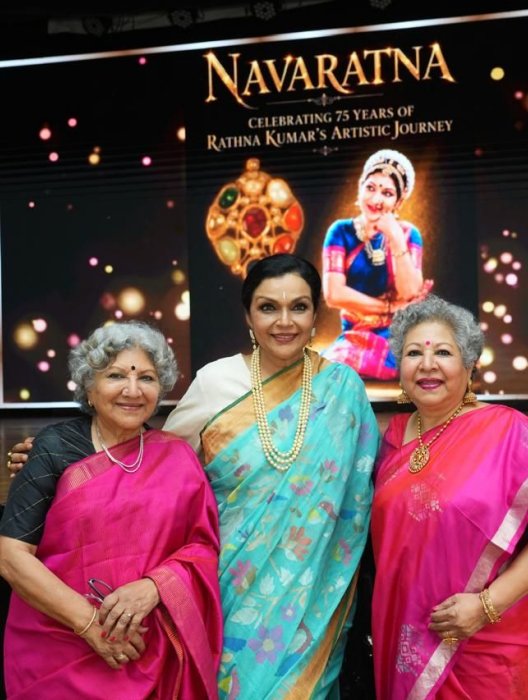 With Rathna Kumar and Seetha Ratnakar 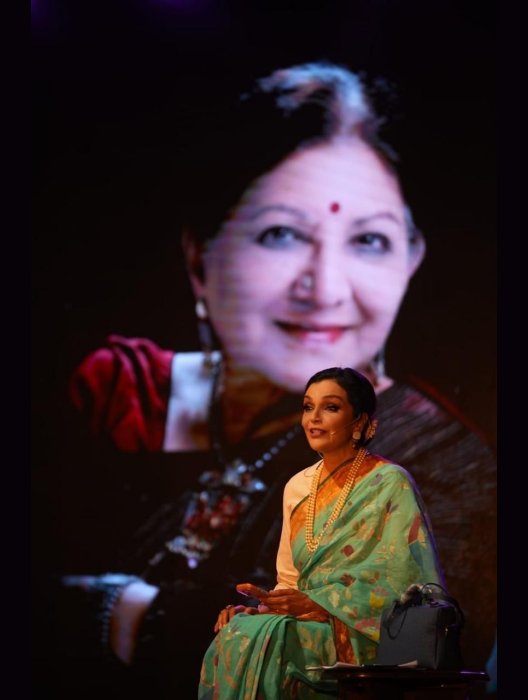 It was an evening of sheer nostalgia for senior Chennai dancers. Titled NAVARATNA, several senior dance icons and many across the generational graph gathered to honour the remarkable career of Houston based Bharatanatyam and Kuchipudi performer RATHNA KUMAR. I was pulled into becoming the narrator and storyteller at the last minute due to the ill health of storyteller Ramaa Bharadvaj. Looking over the script of her artistic journey was a revelation! A child artiste in cinema, a dancer who was gifted with the remarkable guru KJ Sarasa, and later to become the favourite student of Kuchipudi master Guru Vempati Chinna Satyam - RATHNA's performance arc has been truly remarkable. From young bride turned reluctant dance teacher to the multiple award winning artiste of Texas, the audience were fascinated as each life moment was carefully shown on the giant screen. On stage, screen and beyond, Rathna has pirouetted through convention with a wink and a dare, turning the stage into her personal laboratory of the unexpected. All kudos go to RATHNA's devoted sister Seetha Ratnakar, a former producer of dance in Doordarshan, Chennai, for meticulously documenting Rathna's career. On the eve of her 80th birthday, the evening was a glorious homecoming of sorts for this former Madras girl! She confessed that the "pre nup" promise she extracted from her future husband Anil Kumar was that she would continue her dance career and she would visit India every single year! As a presenter who has consistently featured almost every visiting performer from India, it was disappointing not to see more dancers present. However, the warmth and personal anecdotes from each speaker more than made up for the small crowd. Rathna Kumar was a prime student of Bharatanatyam guru KJ Sarasa, the tribute's highlight for me was watching 17 dancers across several generations performing 3 beloved pieces from their guru's repertoire. Watching them on stage in perfect unison - some star dancers and others well past their prime - made me realise how beloved this renaissance artiste was. The first woman from the hereditary community to storm the male bastion by conducting a dance performance and holding the nattuvangam, Sarasa teacher's students created an unforgettable example that evening. My own memory of Rathna Kumar was not as a dancer but a bright woman who came home to be a fashion model! My mother Leela Ratnam was a popular fashion show choreographer for charitable causes and Rathna (and her sister Seetha) were among her favourites! Not to mention her trying hard to get me to dine in one of Houston's Indian restaurants whenever I visited and finding me across the road at a restaurant slurping Roasted Tomato soup with sourdough toast and a tossed salad! WHAT MAKES A GURU TODAY? As the full moon threw a gentle gleam on the day we remember our teachers, I pause to reflect on what it means to seek knowledge, guidance and a safe space to learn and reimagine life in all its colours. While our phones were jammed with messages, images and AI driven visuals of gurus in various avatars, nobody mentioned that it is not just age and seniority that gives one the title or the authority to be a GURU. The word itself means someone who removes darkness. A person, a medium that encourages the search for light and clarity. Today, I am learning from colleagues, seniors, juniors and even the grandchildren who are Gen Alpha. In our pursuit of artistic practice, we must be very fortunate to have the right teacher and guide. Once that bond is forged, the rest becomes a joyous adventure of discovery and delight - for both teacher and the taught. Scholar Amrithasruthi's thoughtful article expresses it beautifully. My Guru's greatest choreography: An institution that taught me to fall in love - Dr. Amrithasruthi Radhakrishnan IGNITING GEN Z 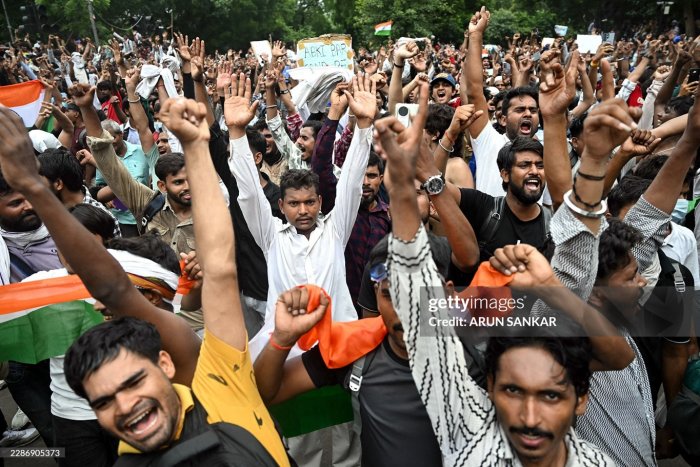 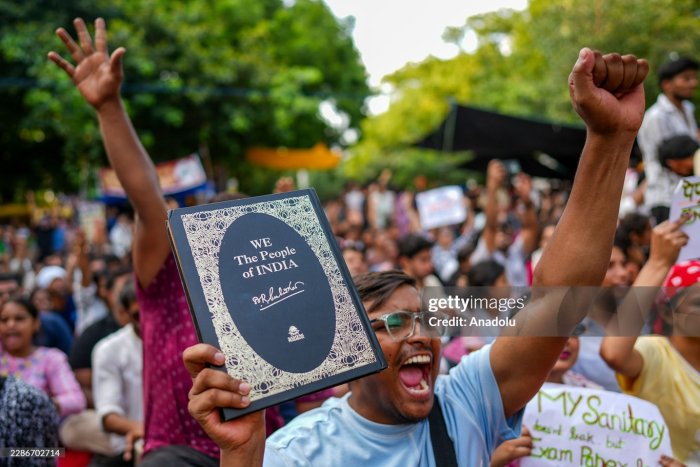 Being a "Boomer" (born between 1946 to 1964) cannot pretend to understand the speed of technology AND the minds of Gen Z. Abbreviated from "Generation Zoomer", (those born between 1997 and 2012) have surprised the nation and world with their tenacity and fearless voice. Just a few months ago, the fledgling Cockroach Janta Party was sneered at by political pundits when it was formed after a scathing remark by a judge about unemployed youth of India. The Instagram numbers skyrocketed and a large demonstration followed at Jantar Mantar, New Delhi, for 24 days. Many young dancers visited the protest site and reported about the sheer energy and restless anger they felt in the crowd. While education reform was the spark for the agitation, it expanded to include several issues. The government blinked and the inter generational debate about responsible parenting, acceptable social media behaviour still continues. In the early days of the protest, one video from Bihar went viral. Standing in the rain, some young men and women were dancing to the Bollywood tune TIP TIP BARSA PANI, while the police stood watching. It revealed a generation unwilling to bend, impatient with authority, expressing without a filter and determined to be heard and seen. Perhaps this was a "watershed" moment that signalled that India's GEN Z - the first generation born into the age of technology - cannot be lectured to or put down anymore. One of the issues that rose from this remarkable political and social moment was the issue of MERIT based education vs RESERVATION for the underprivileged. Should affirmative action be continued in India at the cost of really talented graduates? If I were to stretch this issue to the Dance world, it is clear that MERIT does not always appear in the selection and support of artistes for festivals and special performances. I can take the Chennai season as a prime example. Several talented and worthy dance artistes are repeatedly sidelined year after year for less accomplished performers. Talented students continue to wait in the wings for an opportunity, disenchanted with the "system" that is lynching and shooting at their dreams. Years of dance education with no visible opportunity once they graduate from the academy, even after 10 years of constant learning. A system that is focused on "reservation" for the favoured and not the truly meritorious. Except, if the dancers were to gather at JANTAR MANTAR to clamour for changes in the cultural eco system, nobody would care! OF SNAKE CHARMERS 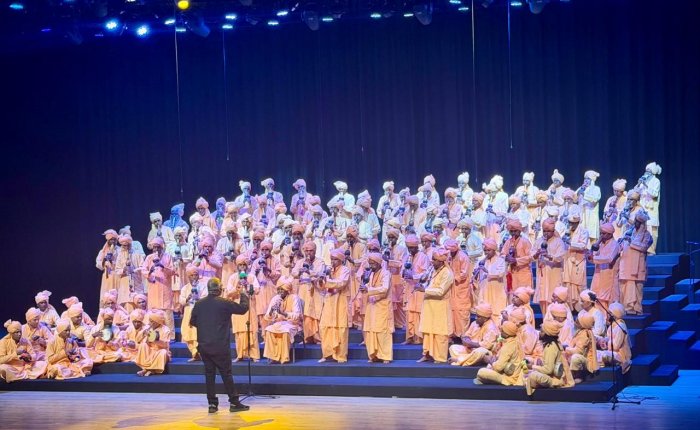 100 Charmers by Roysten Abel Imagine the sight of 100 snake charmers slowly walking down the aisles of the auditorium, past the audience and walking onto the vast stage while playing the signature note of their instrument. This was the strong visual and aural effect that enveloped the PCPA (Prestige Centre for Performing Arts) in Bengaluru. The hypnotic single note, piercing and mesmerising, held the 1000 seater auditorium in a thrall. Conceived and produced by theatre director Roysten Abel, 100 CHARMERS has been a stellar production that has toured the world and amazed audiences. Inspite of the Indian government initially hesitating to support this venture, Abel persisted and, with the direct intervention of former New Delhi Chief Minister Sheila Dixit, managed to get international travel arrangements and the initial fillip for his latest mega presentation. The sight of multiple steps arranged on the large stage, the discipline of 100 musicians, all of them making a living as a solo performer, meeting one another for the first time, and the back stories of auditions, rehearsals, training and interpersonal relationships made for a very unusual evening. While India has since long departed from its earlier image of "the land of snake charmers", 100 CHARMERS reminded us about this unique profession and the instrument called "been", "murli" or "pungi" that has a legendary origin and which continues to be the sole livelihood of very niche and diminishing community in India. Being inside the PCPA brought back the stark reality of how difficult it is for these large auditoriums to curate programming that balances artistic content with economic realities. Just spaces do not ally with the essence of the classical or even contemporary dance. Giant sets, imaginative lighting and so many allied aspects are required to essentially "support" or "prop up" the performers on stage. Even as I write, more and more theatres are opening without close consultation with performers who actually use and experience them. Rarely are spacious green rooms and rehearsal studios factored into the building design. Fortunately, the new theatres in India have clean toilets! SSSH! THE INTERNET IS LISTENING On a final note, it is very clear from the recent events in New Delhi and the Gen Z protests that seeking VIRALITY on social media do not ensure permanent fame or prestige. Crowd dynamics can give a false sense of empowerment when surrounded by a cheering audience. However, the consequences are borne individually. Perhaps this is also some aspect that Gurus and parents should be cautioning their students and children about. As our devices are listening to our conversations, so too are our words uttered and typed are being recorded and stored somewhere on a Cloud! Today, we are careful even during social gatherings about sharing our private views on any subject, especially politics. Families are being torn apart for differing opinions. Our dance community is already small, fragmented and disunited. There are enough people criticising classical dancers for not participating, like film actors and theatre artistes, in the recent student protests. Let's not be DELULU (a typical Gen Z word for delusional) about who we are and where we stand in the larger social eco system of our community, city and country. A reel cannot substitute for continued commitment on a chosen path. August brings the start of the festival season… Onam, Raksha Bandhan, Teej, Navroze and many other occasions to gather, celebrate and be grateful for the gift of dance. For Dance to become the doorway to experience life in all its colours. August 15th also marks India's 80th Independence Day. A day to honour the freedom that our ancestors fought for 8 decades ago. A day to respect diversity and be aware that dissent and debate - though shrill - are still heard. It is more than waving flags on a particular day. It's the daily choices we make that strengthen our democracy and society. Until next month, Dr Anita R Ratnam anitaratnam.com Grateful to the many dancers who sent me special wishes on Guru Purnima although I don't teach or have any students or mentees. Connect with us on Instagram and Facebook     Post your comments |
